


Biofeedback in migraine and headache therapy
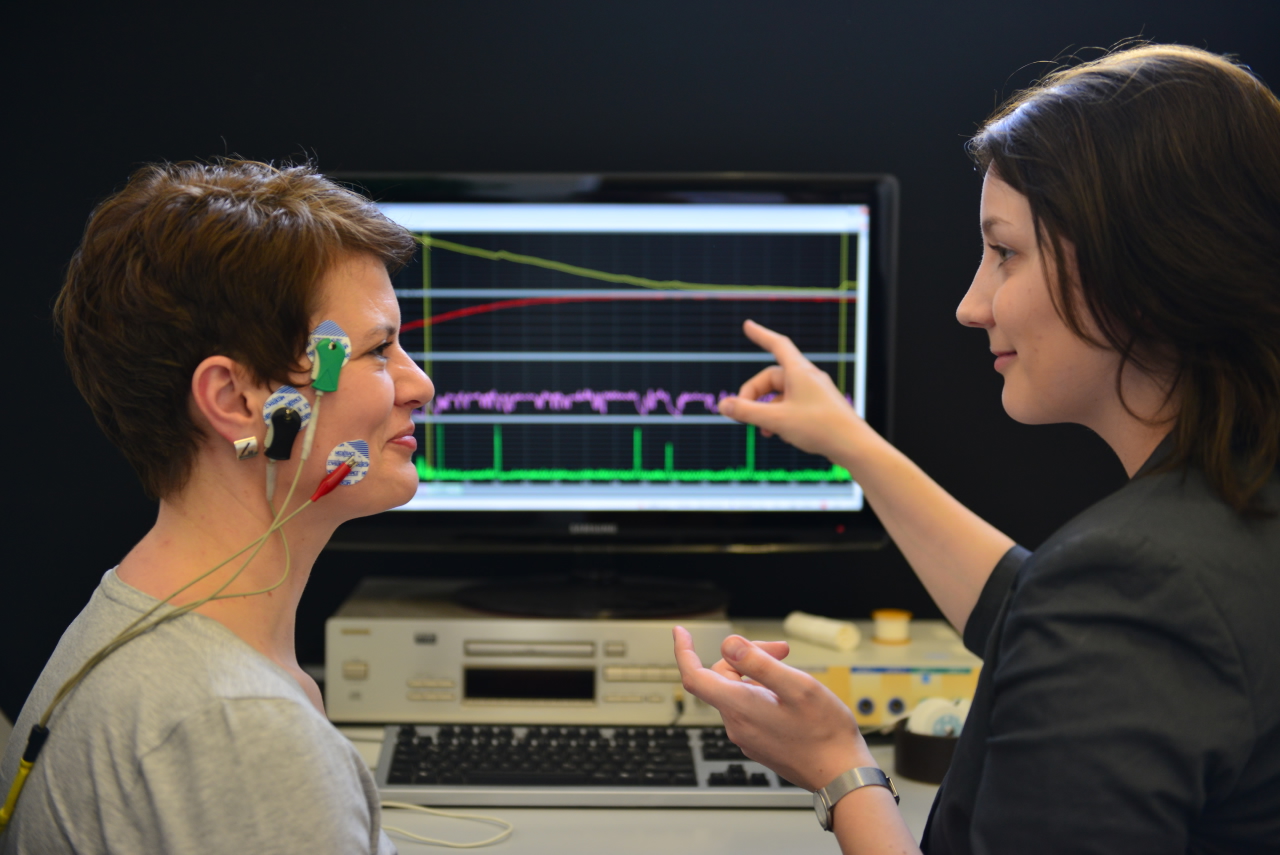
In biofeedback therapy , the therapist typically uses a technical device to measure a specific bodily function and relays this information back to the patient. In migraine and headache disorders, this often involves head muscle activity or pulse rate . Scientific studies also attempt to measure the diameter of blood vessels or blood flow velocity. The measurement results are usually displayed to the patient on a screen or via a measuring device. If the bodily function changes, the display also changes. This feedback allows the patient to directly , or their blood flow is increasing or decreasing. In subsequent therapy, the patient learns directly and intentionally influence these bodily functions. The image shows the recording of multiple biosignals during a biofeedback treatment at the Kiel Pain Clinic. Muscle tension (EMG), respiratory rate, heart rate, and sweat gland activity are measured simultaneously. The psychologist explains the body's reactions to tension and stress to the patient. In addition, stress management techniques are practiced to prevent or counteract overactivity of the nervous system.
Biofeedback with feedback of brain activity
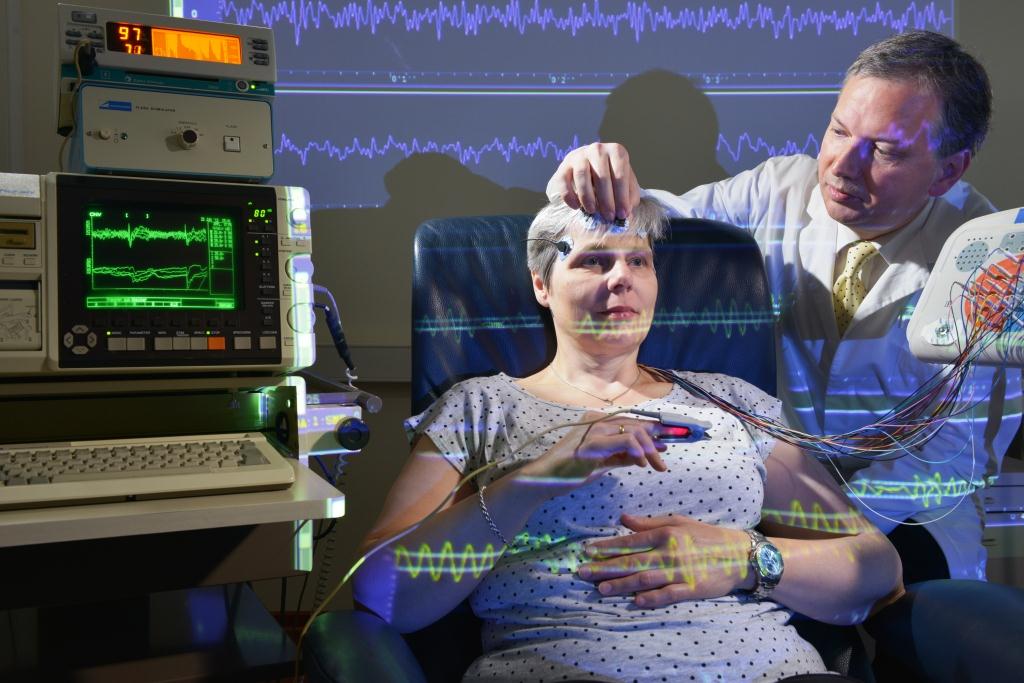
The goal of biofeedback therapy is to enable direct, conscious control of bodily functions that are normally controlled only involuntarily. Biofeedback aims to make existing dysfunctions visible and to help patients consciously manage them. Generally, biofeedback only provides feedback on a single bodily function. This means that a very specific aspect of bodily function is mapped and made known to the patient. This is what distinguishes biofeedback from other relaxation techniques, such as progressive muscle relaxation according to Jacobson, which attempt to influence the entire body treatment of migraines. These include autogenic feedback , blood volume pulse biofeedback , and Doppler biofeedback EMG biofeedback and neurofeedback are also used in migraine treatment to induce general relaxation and stress resistance.


I am constantly surprised by how little is known about the specific benefits of neurofeedback for certain forms of migraine – even among specialists. That's why I find articles like this one extremely valuable for patients hoping for long-term and lasting improvement.
Sincerely
, Iven Pechmann,
Bio- and Neurofeedback Therapist
A well-written and clearly structured article. Working with migraines has become increasingly popular lately. The method is also extensively mentioned in the guidelines of the German Society for Neurology, both as a preventative measure and as an acute intervention.
Good day everyone,
I must say: A really good and informative website!!!
I have suffered from migraines since childhood.
Thank you!!
Gerd Schwarz