



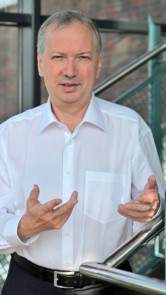
Prof. Dr. Hartmut Göbel
Migraines and headaches are a widespread ailment. They either affect you personally, or you know many people around you who suffer from them. Even young children can frequently be affected by migraines and headaches. However, their symptoms often differ from those of adults. As a result, they are frequently overlooked and ignored. Adults can easily describe and communicate their symptoms using their vocabulary. Children usually lack a word for the unfamiliar, painful sensations inside their heads. The signs of migraines are subtle. Children often feel nauseous in the car. They feel dizzy. Nausea and stomach aches occur. They feel unwell. A connection between these symptoms and a migraine is often not recognized. Young children are not yet able to express pain verbally, to locate it, and to communicate it. They say "stomach ache," but they mean "migraine." They cannot indicate that they are sensitive to smells, noise, or light. Instead, they withdraw. During this time, they live in their own inner world, isolated. They have to endure migraine quarantine time and time again. And yet they haven't done anything wrong.
These are called migraine prodromes because the characteristics of migraines in early childhood usually present differently than in adults. In infancy, migraine prodromes can be observed externally, for example, through recurring torticollis. Children tilt their heads to the side for short periods. Recurring stomach aches and colic in young children are also migraine prodromes. They are pale and ashen, arch their backs, and whimper. They become quiet and withdrawn for a while. Migraine prodromes can also manifest as cyclical, sometimes prolonged vomiting, or as sudden dizziness and circulatory problems. These symptoms are frequently found between the ages of two and five. Many young children also experience periods of derealization. They do not perceive the outside world, being in a completely different world. In the form of Alice in Wonderland syndrome, they experience altered perceptions; visual objects become distorted. Bodily sensations become distorted. Children may experience a sensation of a very tight waist. Their arms or legs may elongate like a telescopic antenna. Color perception varies; colors appear darker and distorted. Visual disturbances, such as glittering and sparkling stars, zigzag lines, and kaleidoscopic color mixtures, gradually spread across their field of vision. The earlier these symptoms are recognized, the better children can be taught to modify behaviors that trigger migraine attacks.
Especially for children, a balanced mental and physical well-being is of great importance. Anything too fast, too many, too sudden, irregular, or excessive should be avoided in their daily routine. A regular daily rhythm, meals at fixed times, breaks, and relaxation periods should be integral parts of their day.
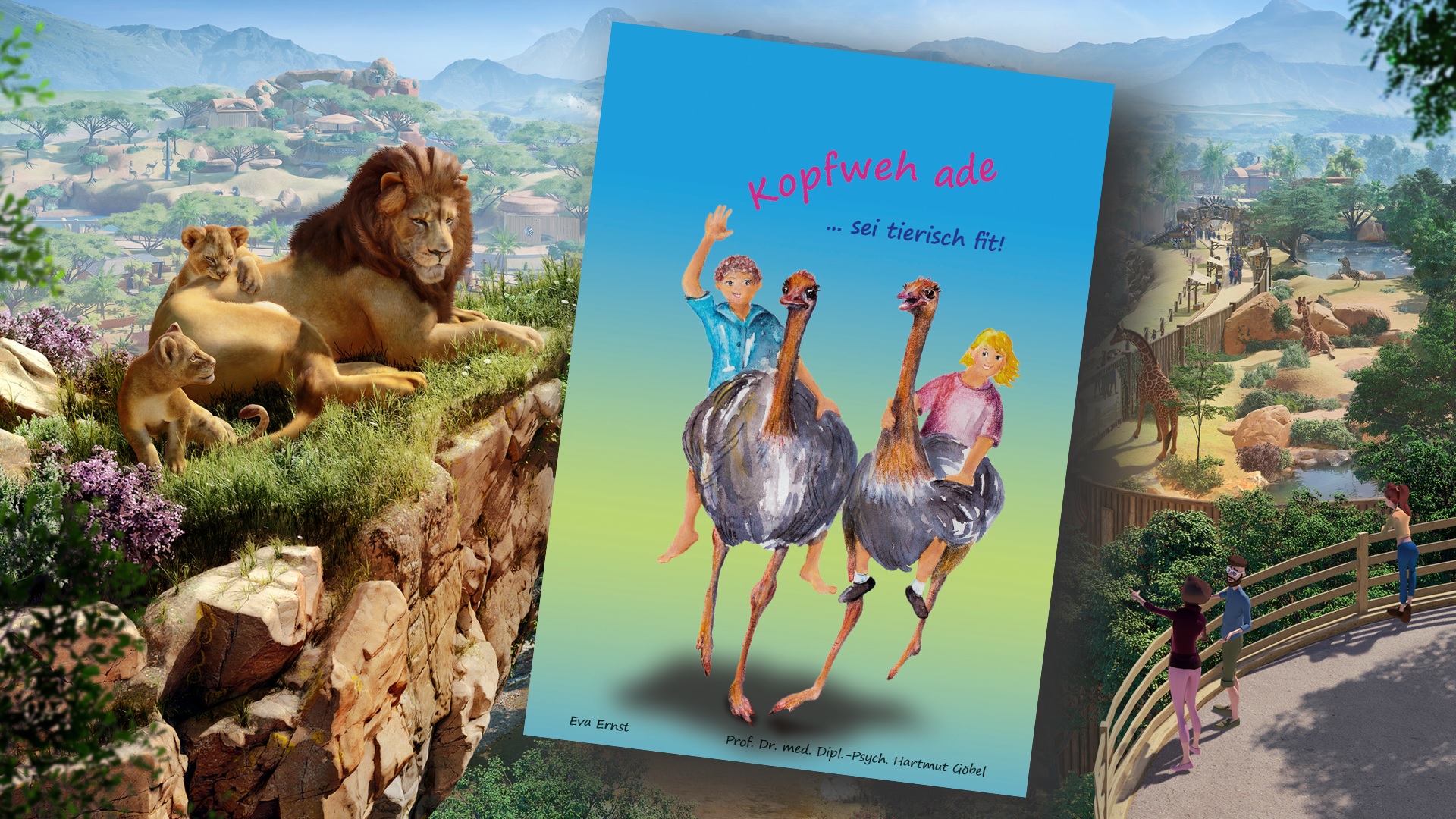
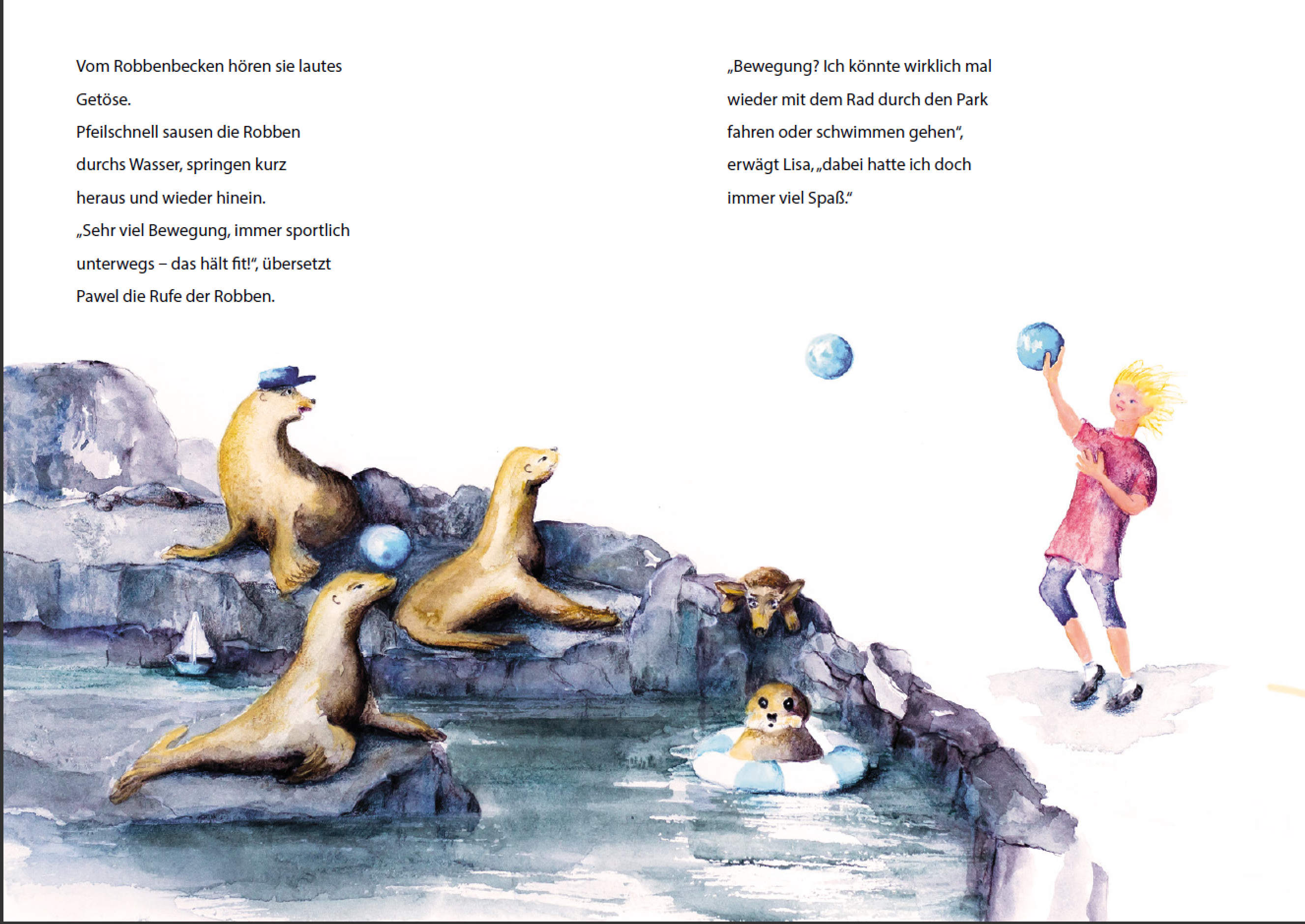
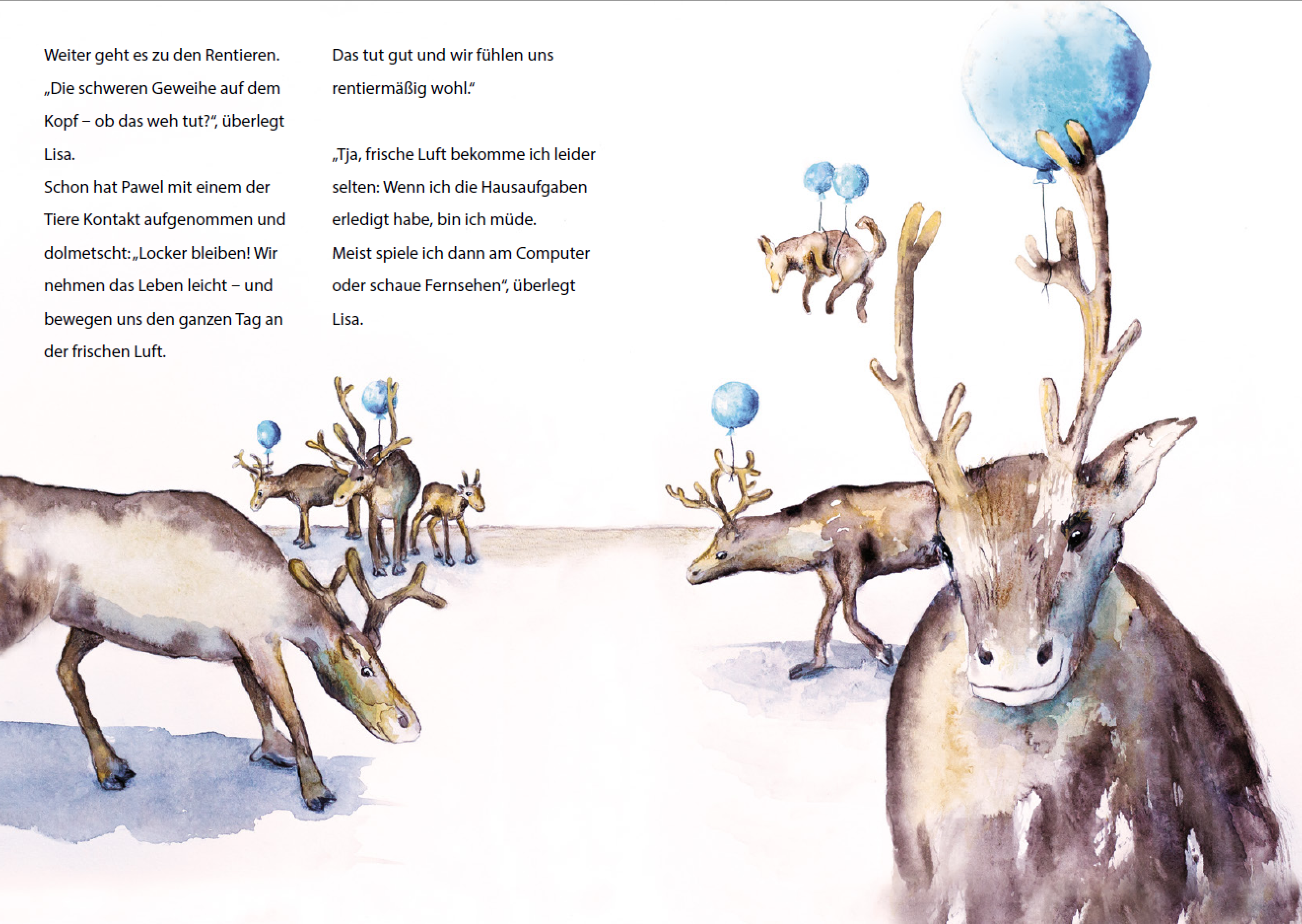
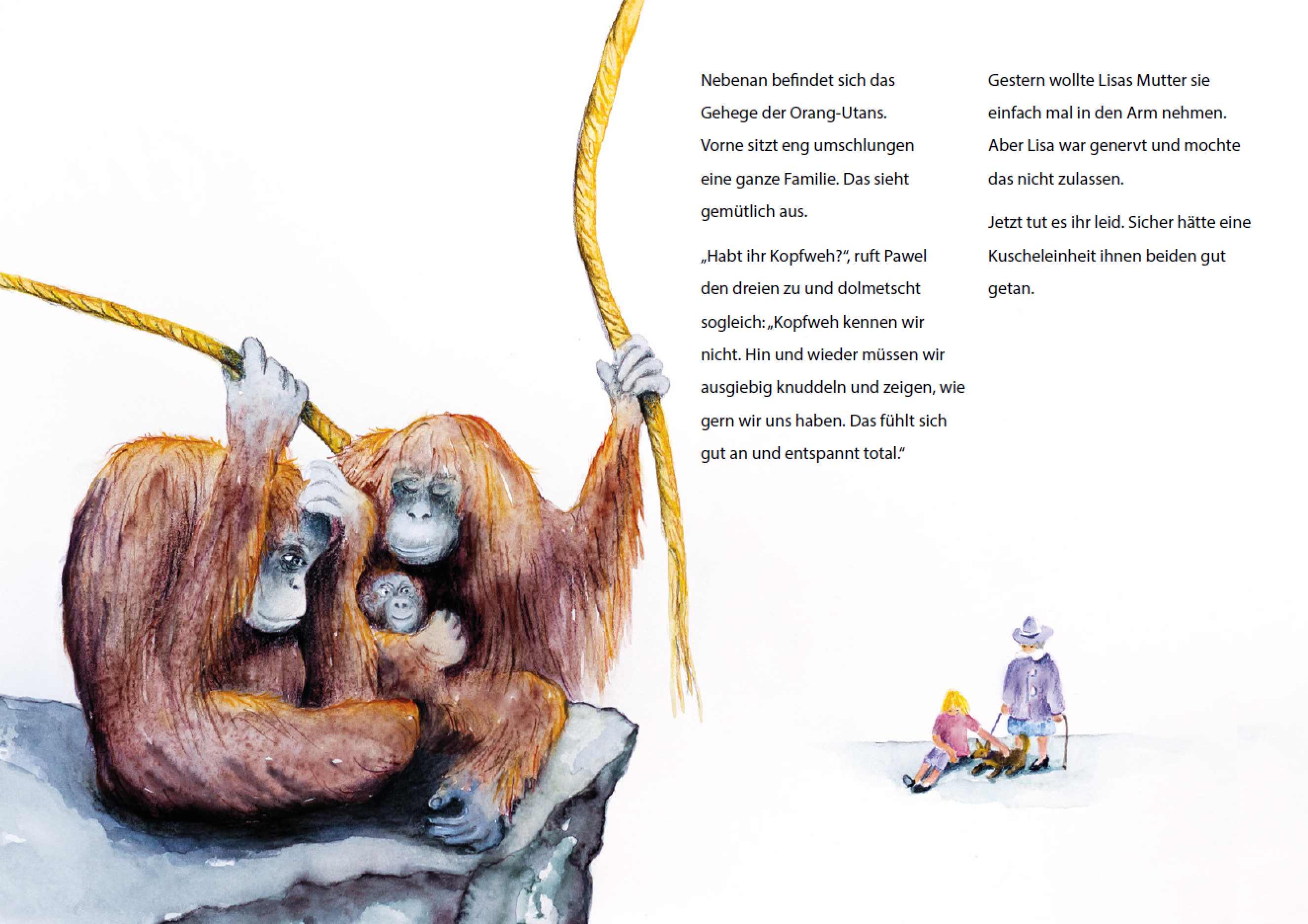
Eva Ernst has captured this health-promoting behavior in a charming story, observing animals and translating it into easily understandable illustrations. Prof. Dr. Hartmut Göbel provided scientific consultation and contributed a comprehensive advice section to their collaborative book. It will be published in August 2020 with the generous support of Techniker Krankenkasse (a German ). Every child should know these fundamental principles for a healthy, active, and creative nervous system. These principles also apply to adults. We, as civilized humans, should relearn and emulate what nature has established and preserved in the animal world as health-preserving behavior. This is the foundation for preventing migraines and headaches. A final chapter explains the basics of migraine prevention. The advice in this booklet will help children and adults maintain a healthy and balanced nervous system.
Prof. Dr. Hartmut Göbel
Below you can download the online version of the book for free:
Download Goodbye Headaches – The book for children and parents against migraines and headaches
Printable coloring pages for children 1
Printable coloring pages for children 2


Great book, exemplary, simply fantastic and damn it, it's free!