


 The International Headache Society (IHS) has awarded Professor Hartmut Göbel of the Kiel Pain Clinic the international certificate “Headache Master accredited by the International Headache Society .” The Headache Master program was one of the most significant innovations in headache medicine in 2013. It reflects expertise and specialization in care at an international level. The certificate was awarded following the International Headache Master School 2013 in Asia and the IHS post-learning program.
Headache Master-School 2013 in Asia  from March 23-24, 2013, in Tokyo, Japan . The event brought together over a dozen world-renowned headache experts to teach participants from Southeast Asia about the future possibilities of headache care. The meeting resulted from close collaboration between Asian headache specialists and the International Headache Society. The conference's core objective was to train leading headache experts for the next generation and motivate them to make the world a better place for migraine and headache patients. The meeting was organized locally by the chairman of the organizing committee, Professor Fumihiko Sakai. More than 150 applications were received within just a few days of registration opening, necessitating a limit on course admissions. Interest was very high, as were the expectations of the participants.
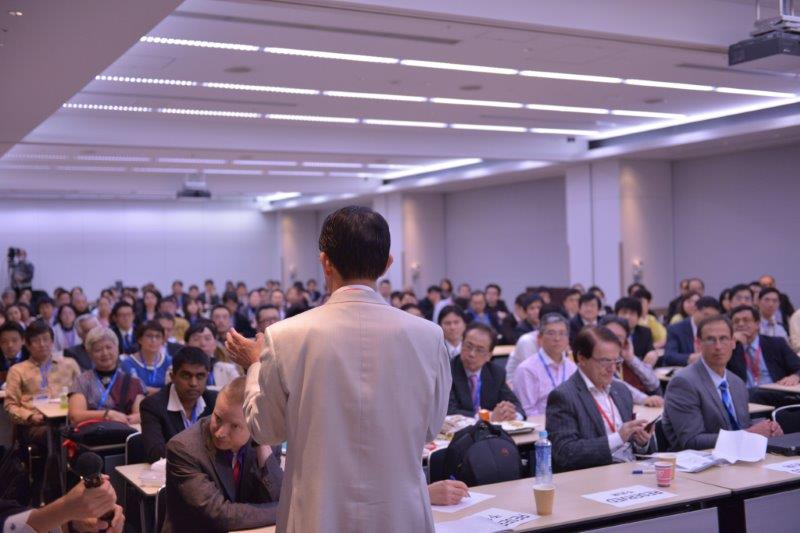
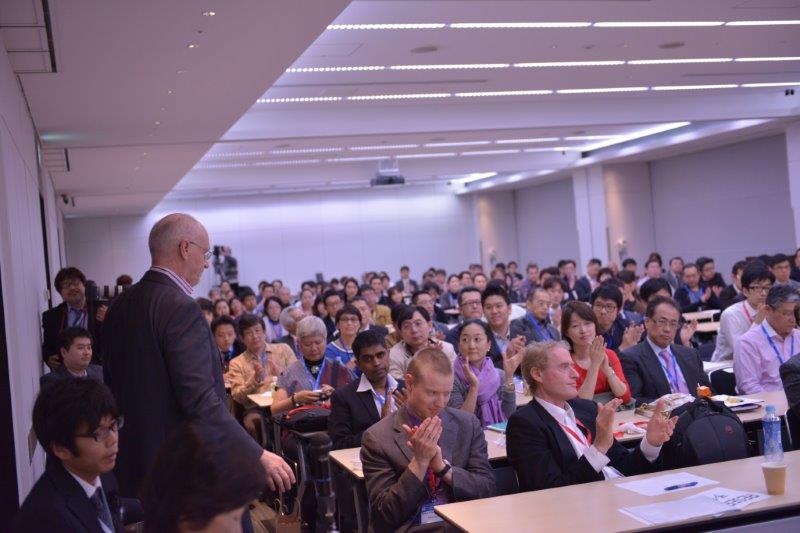
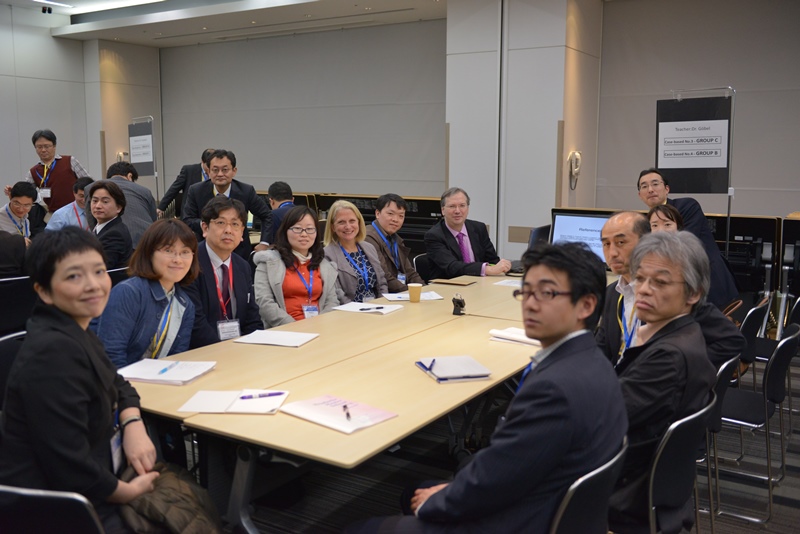
 The 2013 Headache Master School covered all the essential topics of modern headache medicine. Significant progress has been made in recent years in understanding the pathophysiology of many headache disorders. Accordingly, numerous new research highlights were discussed, and the application of current research findings in the care of headache patients was explored and practiced. The participating international instructors provided the participants with their firsthand knowledge and experience. The students were highly motivated and eager to acquire new knowledge. All students actively participated in the case-based learning units offered by headache experts in small groups, in addition to the plenary lectures. This allowed them to learn and practice diagnostic procedures, therapeutic approaches, and monitoring of progress and treatment outcomes using practical examples.
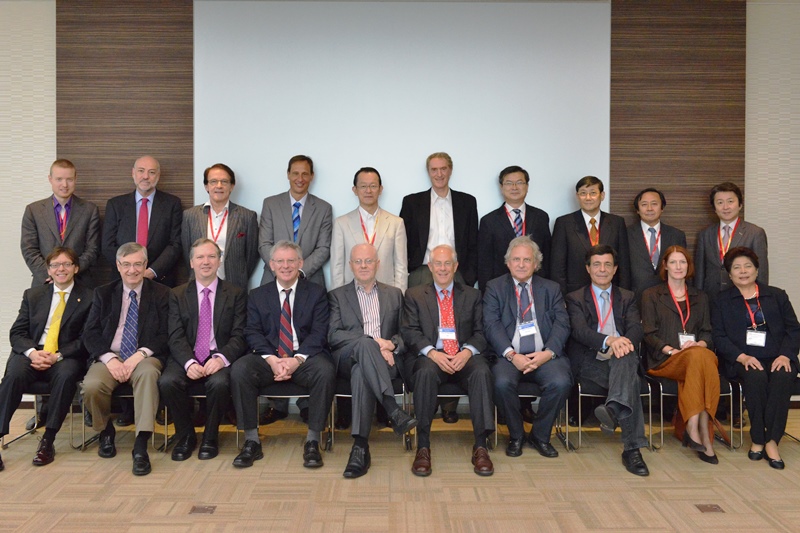 The organizing committee consisted of Fumihiko Sakai (Chair), Japanese Headache Society; Peter Goadsby (USA), International Headache Society; Guus G. Schoonman (Netherlands), International Headache Society; Allan Purdy (Canada), International Headache Society; and Norihiro Suzuki (Japan). Invited teachers included Guus G. Schoonman (Netherlands), Allan Purdy (Canada), Rami Burstein (USA), Andrew Charles (USA), Hans C. Diener (Germany), David W. Dodick (USA), Michel Ferrari (Netherlands), Peter Goadsby (USA), Hartmut Göbel (Germany), Vincenzo Guidetti (Italy), Anne MacGregor (UK), Jean Schoenen (Belgium), Alan M. Rapoport (USA), and Alessandro S. Zagami (Australia). Participants included delegates from the national headache societies of Japan, Korea, China, the Philippines, Taiwan, Thailand, Singapore, India, Australia, Malaysia, and Myanmar.
 The topics of the Headache Master School 2013 covered the new edition of the International Classification of Headache Disorders (ICHD-III), migraine mechanisms, practical applications of acute medication in migraine, history taking and examination of headache patients, treatment of chronic migraine and chronic tension-type headache, headaches in children, the pathomechanisms of headaches, trigeminal autonomic cephalalgias, medication overuse headache, headache in women's lives, integrated and coordinated approaches in headache care, neuromodulation, and other key topics in current headache medicine.
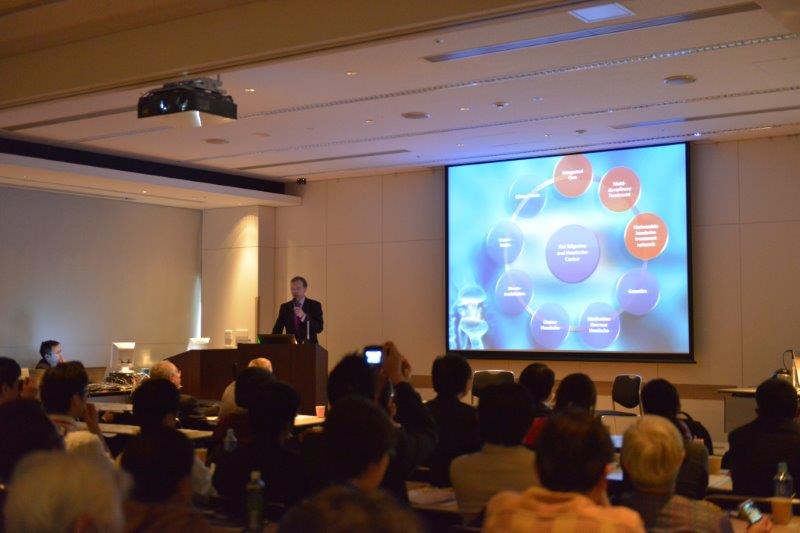
 Professor Hartmut Göbel from the Kiel Pain Clinic presented the coordinated and integrated care model within a national headache network. He provided information on the concept, structure, and implementation of coordinated headache care. It also became clear for Asian countries that obstacles to adequate care for the widespread condition of pain do not stem from a lack of scientific knowledge. Rather, the deficiencies identified by current healthcare research are based predominantly on organizational shortcomings within the healthcare system. The lack of training and continuing education for physicians and therapists in pain therapy are the most significant obstacles to effective pain management. Resource deficits, a lack of attention to the specific needs of particular conditions, inadequate reimbursement by health insurance companies, organizational difficulties, insufficient resource allocation, misplaced priorities, lack of coordination and integration, mismanagement, a lack of political awareness, a shortage of physicians, and general organizational errors are the biggest stumbling blocks in the way of efficient and modern pain therapy. Modern pain therapy requires a central awareness among health policymakers, health insurers, experts, professional associations, and patients in order to jointly address the lack of priority and general organizational and coordination shortcomings. Asia has recognized this and views modern headache medicine as an indicator of a modern healthcare system.
The program proved to be a great success in further motivating modern headache medicine in Asia. The event served as a model for the development of modern headache medicine in other parts of the world and is intended to be continued.










Leave a comment