
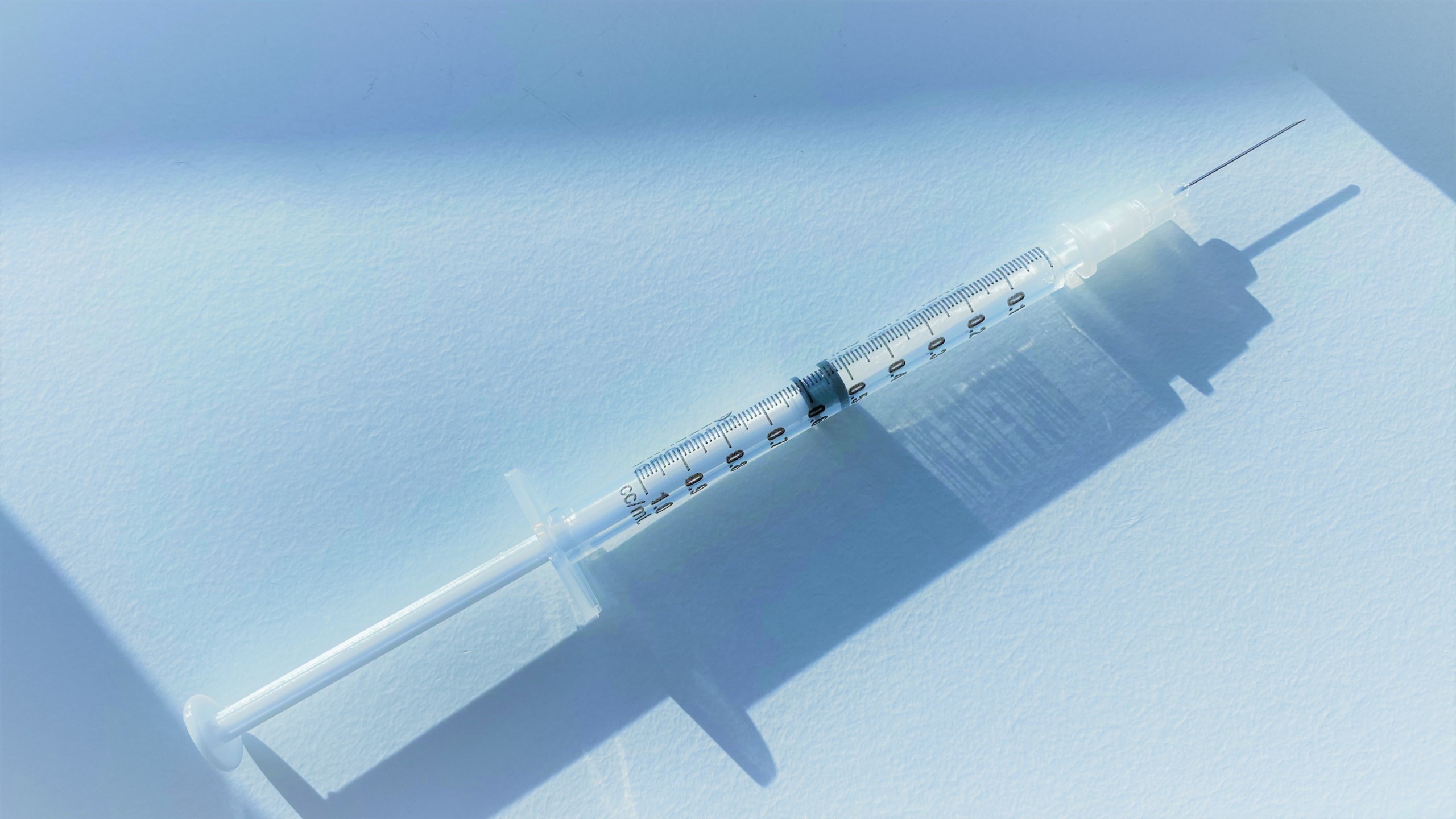
Preparations for vaccinations against SARS-CoV-2 are currently underway. The vaccinations are scheduled to begin on December 15, 2020, for employees of hospitals treating COVID-19 patients. Subsequently, other hospital staff will be vaccinated. Hospitals have been instructed by the Ministry of Health to begin making organizational preparations for the vaccinations now – even if not all information and documents are yet available.
This raises some questions. The study data has not yet been fully published. Regulatory authorities are currently evaluating the continuously incoming study data and reports in a so-called rolling review process. Up-to-date information is necessary to make an informed individual decision regarding vaccination. Below, we list relevant sources:
https://www.zusammengegencorona.de/informieren/informationen-zum-impfen/
https://www.rki.de/SharedDocs/FAQ/COVID-Impfen/gesamt.html
https://www.bmbf.de/de/corona-das-ist-der-stand-bei-der-impfstoff-entwicklung-11152.html
The pandemic situation in Germany remains dynamic. The latest, reliable information on the coronavirus can be found at:
https://www.infektionsschutz.de/coron…
Information from the Robert Koch Institute:
https://youtu.be/EwNjOo3LFX4
Barmer survey on willingness to get vaccinated against Corona – majority want to get themselves and their children vaccinated
Kiel, November 26, 2020 – More than half of the residents of Schleswig-Holstein (61 percent) are willing to be vaccinated against the coronavirus. The willingness to vaccinate their own children is also high at 42 percent. This is according to a representative nationwide survey conducted by Barmer health insurance among approximately 2,000 respondents aged 16 and over, including more than 100 people from Schleswig-Holstein, in November of this year. The survey also revealed that the majority of respondents in Schleswig-Holstein (56 percent) would get vaccinated soon and trust that the vaccines are safe (43 percent). “There is no way around vaccination to overcome the coronavirus pandemic. Therefore, it is an important signal that the majority of citizens want to be vaccinated. The higher the willingness, the better. Vaccination protects not only oneself, but also those who cannot be immunized,” says Dr. Bernd Hillebrandt, State Director of Barmer in Schleswig-Holstein.
Respondents want to protect themselves and others
According to a survey, 69 percent of respondents in Schleswig-Holstein want to get vaccinated to protect themselves as much as possible. 63 percent want to do it to protect others. Older people are more open to vaccination. For example, over 40 percent of respondents aged 60 and over definitely want to get vaccinated. Among 16- to 39-year-olds, however, only just under 23 percent are completely certain. For almost one-fifth of all respondents (22 percent), a coronavirus vaccination is out of the question. Doubts about the safety of the vaccines (68 percent), fear of side effects (60 percent), and doubts about their effectiveness (52 percent) represent the biggest obstacles. About one in five (22 percent) is generally opposed to vaccination.
Increase voluntary vaccination readiness through education
"Vaccination against the coronavirus should be voluntary. Education is the best way to ensure high acceptance and willingness to be vaccinated among the population," emphasizes Hillebrandt. Above all, it is important to inform people about the safety and efficacy of the vaccines and thus alleviate their concerns. A mandatory vaccination policy would be rejected by almost two-thirds of those surveyed.


Leave a comment