

 Pain is the most common cause of human health problems. Nevertheless, until just a few years ago, pain therapy was considered the neglected stepchild of medicine. The upheavals and truly breathtaking innovations our generation is currently experiencing can be exemplified by the widespread ailments of migraine and headaches. The history of headache therapy includes periods when cooling the uterus with honey, vaginal suppositories with cannabis extracts, cranial trepanation, alligators tied to the head, cutting off braids, repeated enemas, administering nitroglycerin or marijuana, and various diets were considered state-of-the-art. These "standards" persisted for millennia of human history. Until very recently, pain therapy treatments were often based on the individual therapist's experience. The first coordinated, scientifically based treatment recommendations for migraine and headaches from a professional society were published by the German Migraine Society in 1986. In 1988, the first internationally valid classification of headaches was published. These two events laid the foundation for coordinated diagnosis and treatment of migraines and headaches. Similar developments have occurred in recent years for back pain, tumor pain, and neuropathic pain. However, scientific findings and newly developed therapies are useless if they cannot be made available to sufferers as quickly as possible and implemented in practice.
Networking, structuring and organization
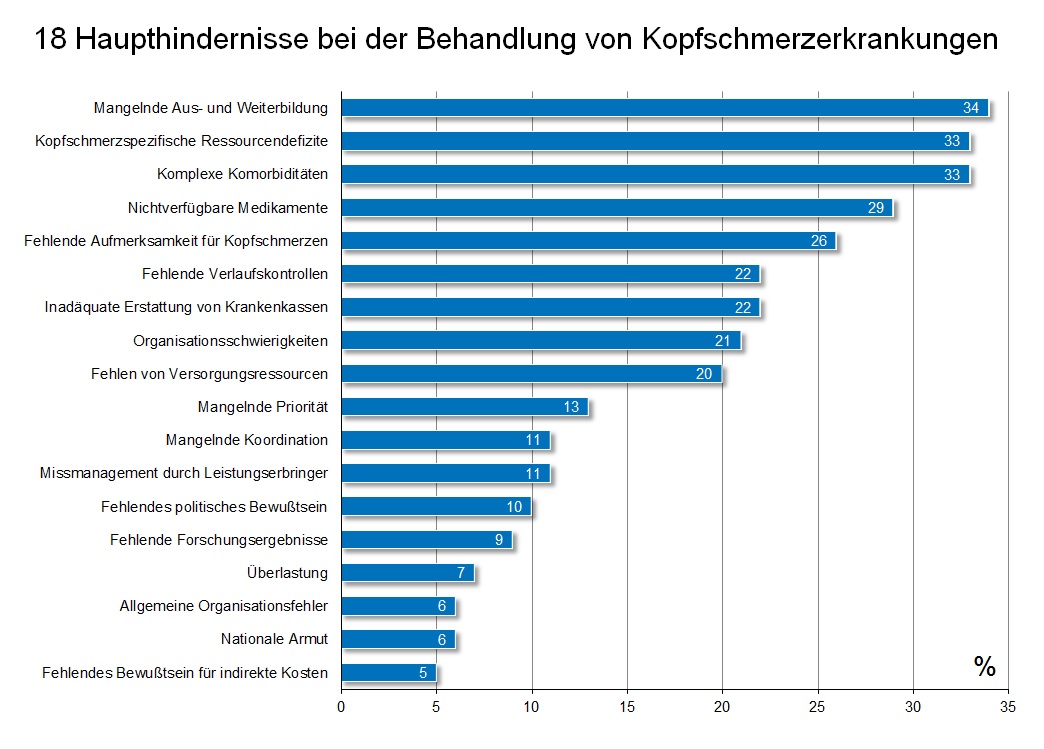
 The journal *Der Schmerz* therefore dedicated a special focus to innovative forms of care in pain therapy in its April 2013 issue . Authors from the fields of health services research, statutory health insurance, and the pharmaceutical industry, as well as network stakeholders from the area of innovative care models for tumor pain, headache, back pain, and neuropathic pain, present forward-looking approaches in pain therapy from their respective perspectives, using concrete examples. It becomes clear that obstacles to adequate care for the widespread condition of pain do not stem from a lack of scientific knowledge. Rather, the deficiencies identified by current health services research are based almost entirely on organizational shortcomings in the healthcare system. The lack of training and continuing education for physicians and therapists in pain therapy is the most significant obstacle to effective pain management. Resource deficits, a lack of attention to the specific needs of particular illnesses, inadequate reimbursement by health insurance companies, organizational difficulties, insufficient resource allocation, misplaced priorities, a lack of coordination and integration, mismanagement, a lack of political awareness, a shortage of physicians, and general organizational shortcomings are the biggest obstacles to efficient and modern pain therapy. Contemporary pain therapy requires a central awareness among health policymakers, health insurance companies, experts, professional associations, and patients in order to jointly address the lack of prioritization and the general organizational and coordination errors.
Open sectors, dissolve marshalling yards
 A key reason hindering effective pain therapy is the sectoral structure of the traditional healthcare system. The traditional healthcare system in Germany has not been oriented towards scientifically proven treatment requirements, but rather has been politically negotiated through healthcare providers and the health administration. This process has resulted in eleven healthcare sectors, which are generally legally and budgetarily separate. Those responsible for a particular sector limit their perspective to their respective area. The sustainability and efficiency of treatments are lost sight of. Furthermore, this creates economic red tape, with reimbursement systems changing multiple times during the treatment process, and incentive systems that counteract the quality of care. Until a few years ago, the organization, coordination, integration, and financing of service provision were not a focus. However, these are precisely the core components of an innovative approach to pain management.
Competition for better ideas
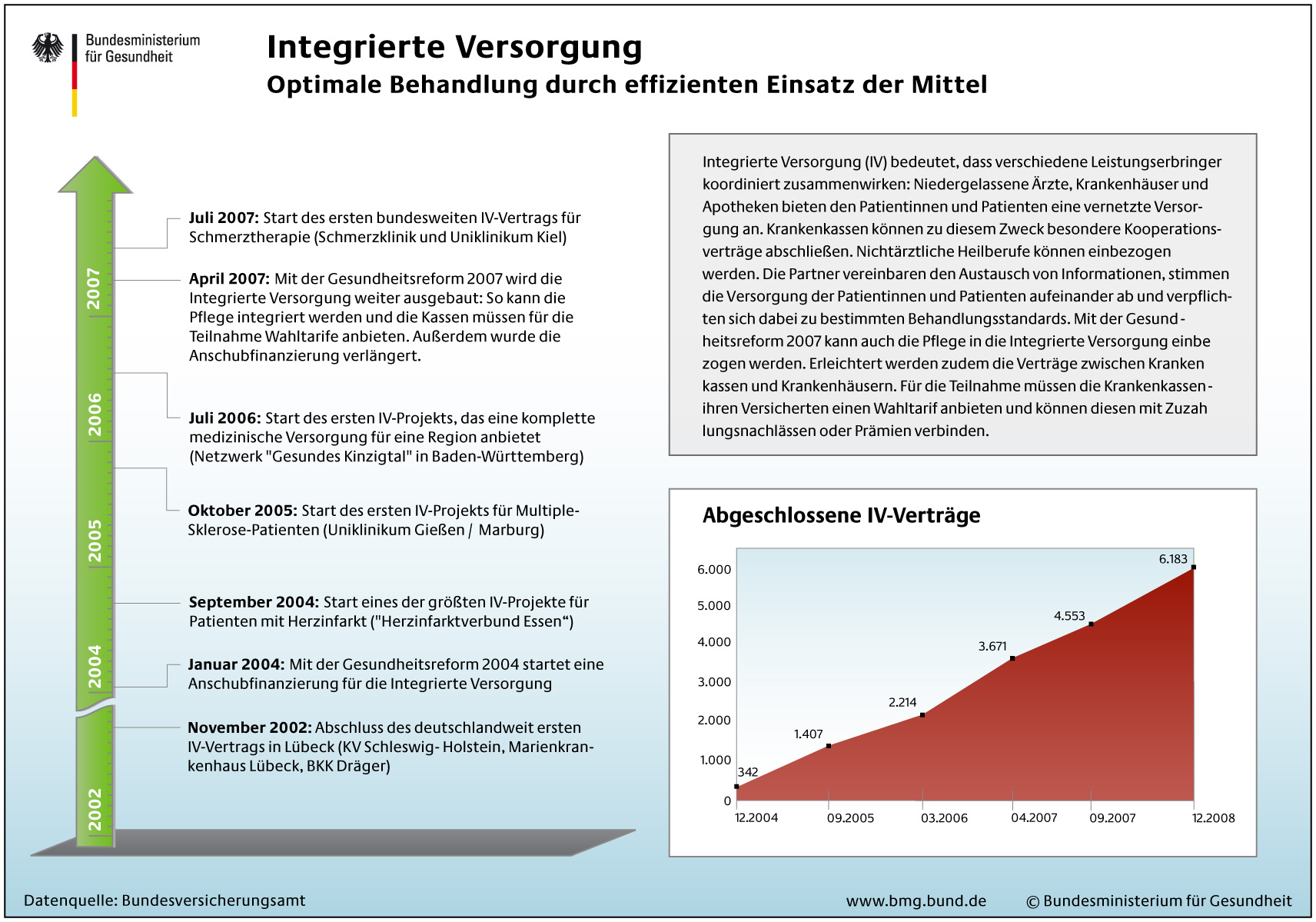 This issue begins with an analysis of the healthcare situation for pain patients in Germany by M. Dietl and D. Korczak. The structural deficiencies in pain therapy are clearly highlighted. According to this analysis, there is a shortage of approximately 2,500 facilities for curative pain medicine, and a significant undersupply also exists in palliative care. Within traditional structures, patients' access to multidisciplinary, cross-specialty, and cross-sectoral treatment is hampered; new, integrated approaches are urgently needed for modern pain therapy. The legislature created the organizational prerequisites for overcoming the sectoral separation of outpatient, inpatient, and other services with the introduction of Sections 140a et seq. of the German Social Code, Book V (SGB V). Sectoral, isolated traditional structures are considered the primary cause of deficiencies in quality and efficiency in pain therapy. It is therefore incumbent upon healthcare stakeholders to actively and diligently utilize the available contractual leeway.
The struggle for the better idea, the more efficient concept, and the more sensible implementation has become an indispensable competitive parameter for health insurance funds, as J. Brunkhorst et al. explain from the perspective of statutory health insurance. Due to the standardized contribution rates across all funds, health insurance funds have no direct means of influencing their revenues. Innovative offerings not available in standard care therefore represent a competitive advantage through increased quality, choice, and service. Furthermore, the insured community of the health insurance fund can benefit from the improved cost-effectiveness of innovative models, and services beyond standard care are made available to them.
 In their article, S. Eble and T. Rampoldt point out that innovative, cross-sectoral treatment networks require a significant investment of creativity, design, and organization. Traditional thinking still views economic practices and performance-based reimbursement models for innovative contracts with skepticism, as they affect established sectors, payment systems, and power structures. Nevertheless, innovative forms of care are essential for a modern and future-oriented healthcare landscape. The alternative to organizing pain therapy through top-down political directives is the freedom of all stakeholders to actively and creatively shape the future healthcare system. Healthcare providers, in particular, can and must become equal partners in the contract, demonstrating the coordination, organization, structure, quality, efficiency, and cost-effectiveness of their services. The indispensable need for networking, coordination, and integration of services is therefore evident for the future design of the healthcare system. Cost-effective drug therapy is an integral component of this. Therefore, it is logical that pharmaceutical manufacturers and medical device manufacturers can also become contractual partners in contracts pursuant to Sections 140a et seq. of the German Social Code, Book V (SGB V). Treatment networks contribute to increased efficiency through specialization, improved interdisciplinary cooperation and sectoral interaction, and higher patient satisfaction as a professional competitive advantage.
This special issue illustrates how such innovative, networked care models function in everyday practice through three case studies. The work by J. Osterbrink et al. analyzes pain management in people with cancer from the perspective of individual network stakeholders. The treatment network encompasses outpatient nursing care, general practitioner care, and specialized outpatient palliative care in the city of Münster. Close communication between the stakeholders proves to be a crucial aspect of care, enabling efficient coordination and ensuring timely responses. The findings underscore that networking, organization, and coordination are essential prerequisites for securing and ensuring the highly complex treatment needs of people with cancer.
The work by H. Göbel et al. describes the background, concept, and implementation of the nationwide headache treatment network. This network, spanning the entire Federal Republic of Germany, brings together an innovative national consortium of over 450 outpatient and inpatient pain therapists, working in a coordinated manner across sectors and disciplines. This groundbreaking treatment network for headache therapy demonstrates that, through dedicated network partners, a completely new healthcare landscape can be established in Germany, and the sustained high clinical and economic efficiency of specialized pain therapy can be very successfully proven.
A. Schneider et al. describe another highly innovative, cross-sectoral approach to pain management in the Munich area in their article. In a pioneering concept, multidisciplinary treatment teams in four different hospitals in the greater Munich area and Lower Bavaria provide multimodal care to pain patients without interruptions in therapy. The focus is on therapy programs for patients with back pain, age-related pain, tumor pain, and neuropathic pain.
A spirit of optimism and creativity
 The overviews in this focus area illustrate that the participating network stakeholders are embracing and continuously developing innovative forms of care with great commitment, a pioneering spirit, and creativity. Networking, interaction, and interdisciplinary and cross-sectoral collaboration, as essential components of a future-oriented healthcare landscape, are of central importance in pain therapy. Significant progress has been made in recent years through these and other innovative pain therapy projects in Germany. The profound changes in the healthcare system are unstoppable. New legal possibilities open up opportunities for creative treatment networks to collaboratively shape the healthcare landscape. This presents numerous opportunities and development possibilities, particularly for modern pain therapy, which are waiting to be utilized.


Leave a comment