



What can cause headaches?
Headaches can have many causes.
There are even over 367 types of headaches.
It's important to know the name of your headache.

Are headaches always a symptom of another illness?
Many people think that if you treat the underlying cause, the headaches will disappear.
This isn't true for the most common types of headaches.
Headaches can actually be the illness itself,
without any other cause.

Is migraine common?
Migraine is one of the most common types of headache.
After tooth decay and tension headaches, migraine is the third most common human illness.

Can the doctor eliminate the cause of the migraine?
Migraines are not caused by another illness.
They are a distinct condition.
Looking for another cause is pointless.
It's important to know how to recognize a migraine
so you can treat it quickly.

What do I need to know about migraines?
Here you can learn:
– How to recognize a migraine
– What a migraine attack feels like
– What causes migraines
– What happens in my head during a migraine
– How to find a migraine doctor
– What can I do myself to relieve migraines
– What medications are available for migraine headaches
– What medications are available to prevent migraines

How can I recognize a migraine?
Migraine is diagnosed by its characteristic headache symptoms.
Migraines occur in attacks.
The attacks last from 4 to 72 hours.
The headache may be located on one side of the head.
The headache may be throbbing or pounding.
Some people can feel their heartbeat in their head.
The pain can be so severe that you are unable to work.
Climbing stairs or walking may worsen the pain.

What accompanying symptoms are associated with migraine headaches?
The pain may be accompanied by nausea.
The pain may be accompanied by vomiting.
The pain may be accompanied by light sensitivity.
The pain may be accompanied by noise sensitivity.
The pain may be accompanied by odor sensitivity.

How does a doctor diagnose migraine?
The doctor will ask you about the nature of your headache.
He will examine you.
If the headache follows the pattern described above and the examination is normal, he knows you have a migraine.
Further tests are then unnecessary.

Why do I get migraines?
Migraines are inherited.
The genetic predisposition remains throughout life.
Migraines require an active brain.
Women suffer from migraines about three times more often than men.
Migraines tend to decrease after the age of 70.

What happens in the brain during a migraine?
Due to genetic predisposition, the mind works particularly quickly.
The mind thinks a lot.
The mind thinks constantly.
The mind processes everything very quickly.
The mind feels very intensely.

Do you also experience migraines outside of attacks?
Migraines are always present.
You don't just have them during an attack.
You also have them between attacks.
Migraines can then have advantages.
You often have many good ideas.
You are often very sensitive to feelings.
Your mind is quick.

What accompanying illnesses can occur with migraines?
But there are also some burdens:
You have many fears.
You brood over what happened.
You worry about what might happen.
That can often be sad.

How does the brain react during a migraine?
Constant thinking and deep feelings can overtax the brain.
The nerve cells become exhausted and
can no longer function properly.
The brain tries to get more energy,
to bring in more nutrients, and dilates the blood vessels.
To do this, it releases inflammatory substances.
This makes the blood vessels sensitive to pain,
so you feel every pulse in your head.
Every jolt to the head now hurts.
Therefore, you lie down and try
to avoid moving as much as possible.

How long does a migraine attack last?
A migraine attack can last up to 3 days.
Some attacks last even longer.

What is a migraine aura?
Visual disturbances occur during some migraine attacks.
You may see flickering or flashing lights before your eyes.
These visual disturbances spread slowly and
usually last 30 to 60 minutes.
Then the headache begins.
Some people also experience tingling, dizziness, speech difficulties, weakness, and hearing problems.
This is called a migraine aura.

How do I find a migraine doctor?
Migraines originate in the brain.
Neurologists treat migraines.
Pain therapists can also help with migraines.
can find experts via this link.

What can you do yourself to combat migraines?
Anything too fast, too much, or too irregular exhausts the brain.
Therefore, pay attention to regularity in your daily routine.
Don't try to do everything at 180 percent.
Just under 100 percent is enough.
Get up at the same time.
Go to bed at the same time.
Ensure you get regular sleep.
Make sure you take breaks throughout the day.

What should you eat if you suffer from migraines?
Eat
at regular times. Eat slowly and calmly.
Never skip breakfast.
Take your time for a substantial breakfast.
For breakfast, eat whole grains, oatmeal, muesli, potatoes, or rice.
Have a warm breakfast if possible.
Drink enough fluids, about 2-3 liters per day.
Limit coffee or tea to 4 cups a day.
Eat lunch and dinner regularly.
Eat primarily carbohydrates: these are foods that grow in fields, don't come from factories, and aren't packaged in plastic.

Can exercise help against migraines?
Do regular, light endurance exercise outdoors.
Do something you enjoy.
Examples include running, cycling, swimming, and walking.

Can relaxation help against migraines?
Learn a relaxation technique.
Relaxation techniques can be very effective.
Jacobson's progressive muscle relaxation is particularly suitable.
You can find instructions in the free migraine app available in your app store .
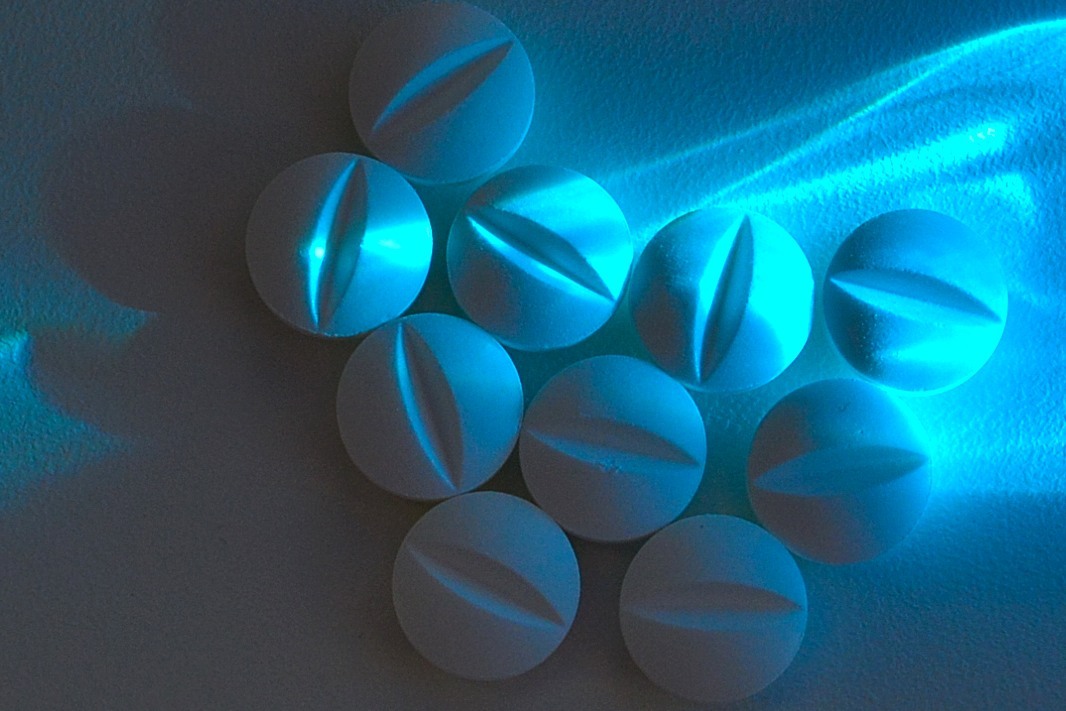
What helps against migraine pain?
There are three options:
- Anti-nausea and
anti-vomiting medication. - Pain relievers.
- Medication specifically formulated for migraine pain.
Consult your doctor for advice.
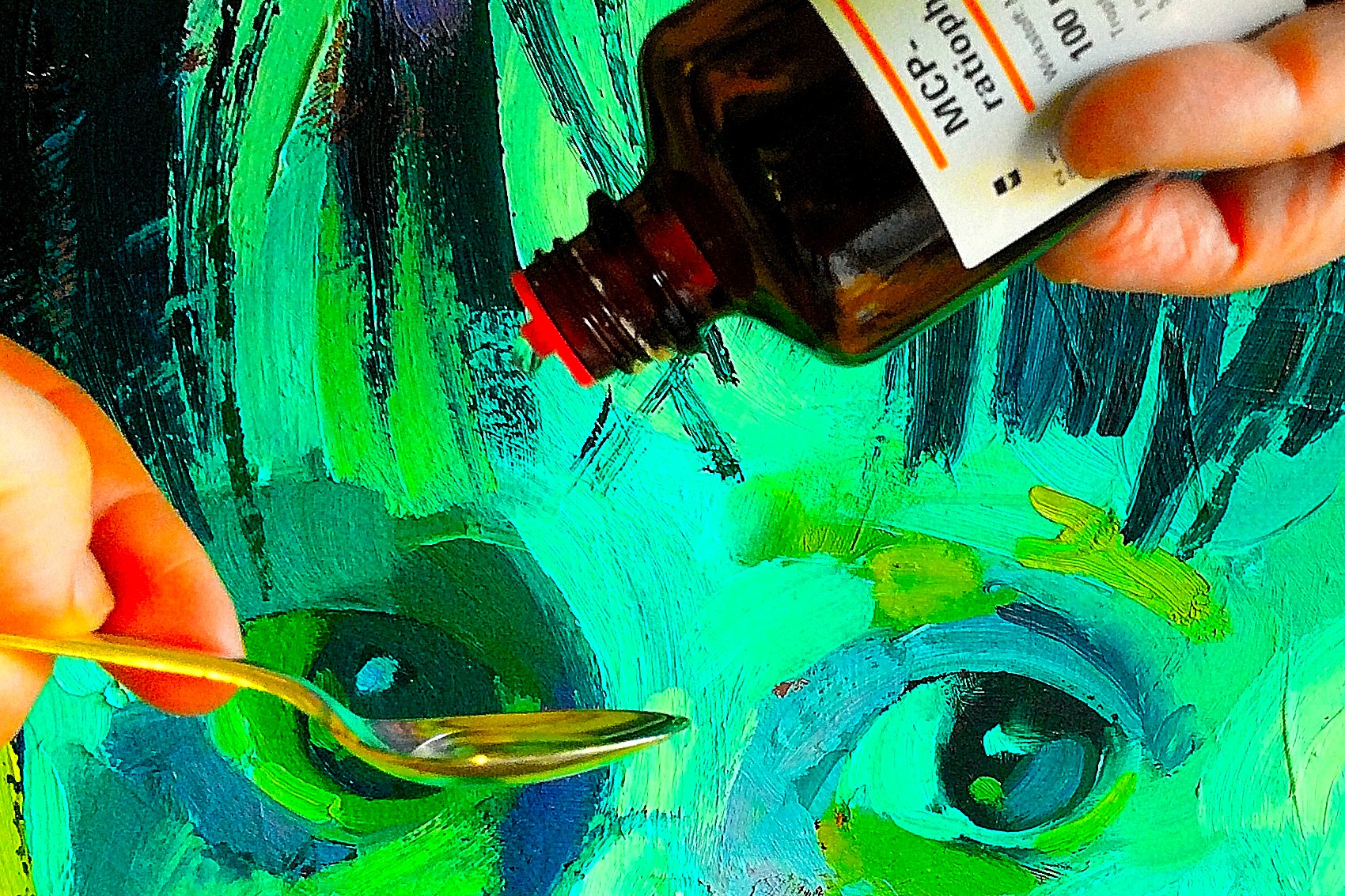
What remedies help against nausea and vomiting in migraines?
-Metoclopramide (prescription only)
-Domperidone (prescription only)
-Dimenhydrinate (over-the-counter)

Which painkillers can help with migraines?
Examples include:
- Aspirin (over-the-counter)
- Ibuprofen (over-the-counter)
- Paracetamol (
over-the-counter) - Novaminsulfon (prescription required)
- Diclofenac potassium (prescription required)
. Ensure you take the correct dosage.
Take the medication early in the onset of an attack.
Swallow the medication with a glass of water.

What specific remedies are available for migraine pain?
Triptans are a specific medication for migraines.
There are seven different triptans.
They are available as tablets, orally disintegrating tablets, nasal sprays, and pre-filled syringes.

Which triptans help against migraines?
The following triptans are effective for migraines:
Some are only available with a prescription, while three are available over the counter at the pharmacy:
- Almotriptan (with and without a prescription)
- Eletriptan (with a prescription
) - Frovatriptan (with a prescription
) - Naratriptan (with and without a prescription)
- Rizatriptan (with a prescription)
- Sumatriptan (with and without a prescription)
- Zolmitriptan (with a prescription)
. Consult your doctor.

What newer, specific migraine medications are available?
Lasmiditan is a new migraine medication.
Gepants will also be available soon.
Consult your doctor.

What rules should be followed when taking migraine medication?
Take pain and migraine medication on fewer than 10 days per month.
Taking it more frequently can increase the frequency of migraine attacks, making the medication less effective. This can lead to chronic headaches, also
known as medication overuse headache (MOH). Preventive measures against migraines are less effective in these cases and
should therefore be avoided
Consult your doctor if you need medication for migraine headaches on more than 10 days per month.

What medications are available to prevent migraine attacks?
If you suffer from frequent or severe migraine attacks, your doctor can prescribe preventative medication.
This is intended to help reduce the number of migraine days,
so you don't need to take migraine medication as often. Ideally, you should only need to take it on fewer than 10 days per month.
Preventative medications, on the other hand, are taken daily as tablets. There are also preventative medications that are administered at regular intervals by subcutaneous injection or infusion.

What medications are available to prevent migraine attacks?
-Amitriptyline
-Metoprolol
-Propranolol
-Flunarizine
-Topiramate
-Botulinumtoxin
-Erenumab
-Galcanezumab
-Fremanezumab
-Eptinezumab
These medications are only available with a prescription. Consult your doctor.

How can I better control the course of my migraines?
Use the migraine app. You can get it here for free without a prescription .
It helps you and your doctor to closely monitor the course of your migraines.
You can see how well the treatment is working.
You have continuous tracking of how often you take your medication.
The migraine app informs you if you need headache medication on more than 10 days a month.
It provides you with all the important information about migraines.
It guides you through relaxation techniques.

Where can I connect with other affected individuals?
At www.headbook.de you will find a digital self-help group. There you can ask questions and get answers.
also find a digital self-help group on Facebook that answers your questions around the clock.