



The Schleswig-Holstein branch of the Association of Substitute Health Insurance Funds ( vdek ) publishes the Substitute Health Insurance Funds Report . In the Substitute Health Insurance Funds Report, Professor Hartmut Göbel explains his approach to coordinated multimodal pain therapy. You can read December 2014 Substitute Health Insurance Funds Report .
vdek: What are the special features of your treatment concept?
Prof. Göbel: Our treatment concept focuses on migraines, chronic headaches, and other neurological pain disorders. These are among the ten most disabling conditions and, at the same time, among the three most expensive neurological diseases. Traditional sectoral boundaries in care and medical specialties exacerbate their tendency to become chronic. The Kiel Pain Clinic was founded 17 years ago as a scientific model project originating from the University Hospital of Kiel and was contractually supported by the AOK (a major German health insurance provider). With the Techniker Krankenkasse (a major German health insurance provider), the concept was then adapted for nationwide care, and an innovative outpatient-inpatient treatment network with over 400 independent pain therapists across Germany was initiated. Today, the clinic operates as a nationally recognized center for multimodal pain therapy, collaborating with regional pain therapists in private practices and hospitals through coordinated treatment plans. Our clinic treats over 1,500 patients annually from all over Germany; approximately a quarter of the patients come from Schleswig-Holstein. To ensure care is available to all patients, the clinic was included in the state's hospital plan at the end of 2013.
vdek: How will the goals be achieved?
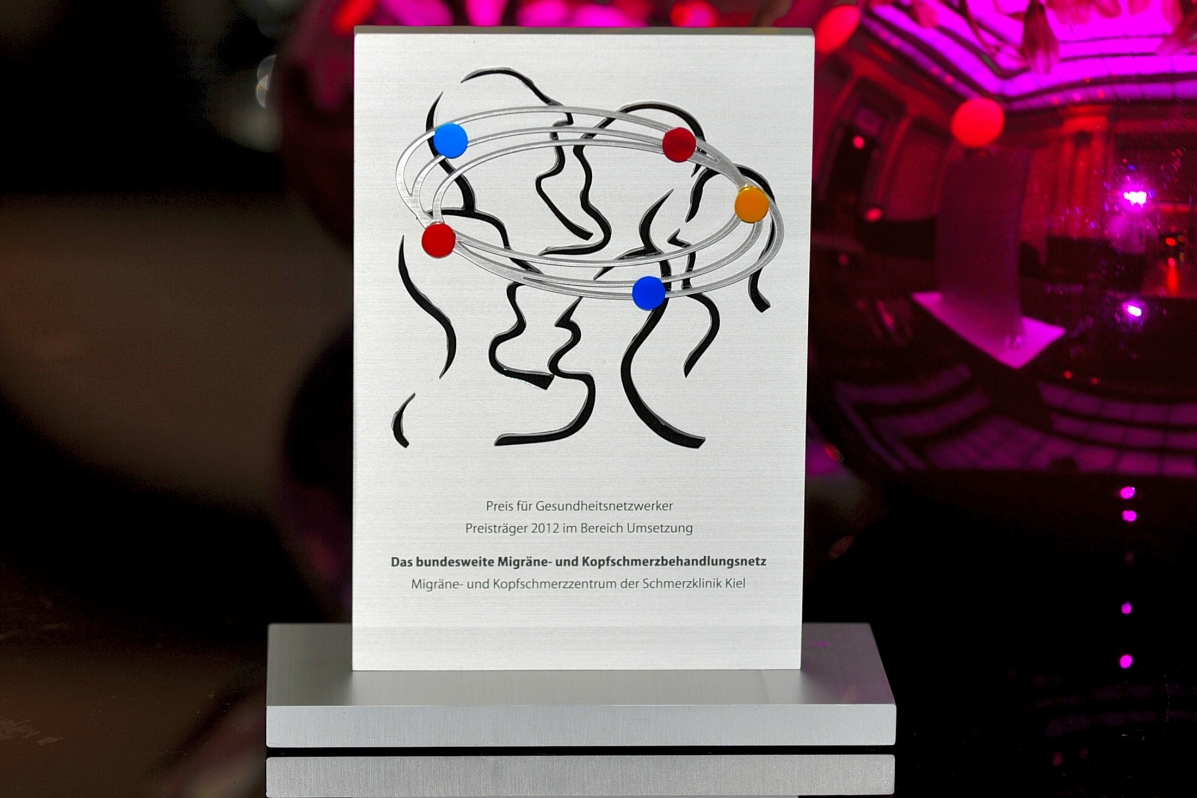
Prof. Göbel: The core of our approach is multimodal pain therapy, meaning the consistent, interdisciplinary implementation of differentiated service requirements tailored to the needs of patients, indication-specific cooperation among specialized practitioners, and telemedicine networking. This is complemented by benchmark prices for DRG-based treatment outcomes, a guarantee of defined treatment success, and efficient administration. Pain is sustainably alleviated, quality of life is restored, and the ability to work is reinstated. The clinic has received numerous awards for its innovative treatment concept. Patient satisfaction within the nationwide treatment network is very high. This is repeatedly confirmed by both patients and health insurance companies.
vdek: How do you deal with the challenge of professional specialization and providing services close to home?
Prof. Göbel: The foundation of successful pain therapy is improving local care through specialists networked regionally with the clinic. If, despite specialized regional expertise, treatment cannot be effectively managed locally, patients can be admitted to the Kiel Pain Clinic for intensive inpatient treatment. Following discharge, at least one year of local follow-up care is provided to maintain the treatment's success. Patients are actively involved in this process and develop a better understanding of their condition through the use of modern telemedicine technologies. In this way, patients can directly and positively influence the treatment outcome. Our therapeutic success and patient satisfaction result precisely from the collaboration between regional expertise on-site and our specialization with nationwide reach.
vdek: What particular challenges do you foresee for pain management in the coming years?
Prof. Göbel: The requirements for advanced training in specialized pain therapy are very high; treating chronic and complex conditions demands intensive dedication. It is essential to create the conditions that enable young physicians to overcome these challenges. The collaboration between innovative health insurance companies and specialists has facilitated exemplary progress in care nationwide, extending beyond standard services. This progress must be maintained and expanded. In recent years, Schleswig-Holstein has held a leading position in this area compared to many other states. We should capitalize on this advantage. Approval as a designated hospital within the national healthcare system and the conclusion of a service agreement with all health insurance companies should also create a sustainable economic foundation for this.


Leave a comment