



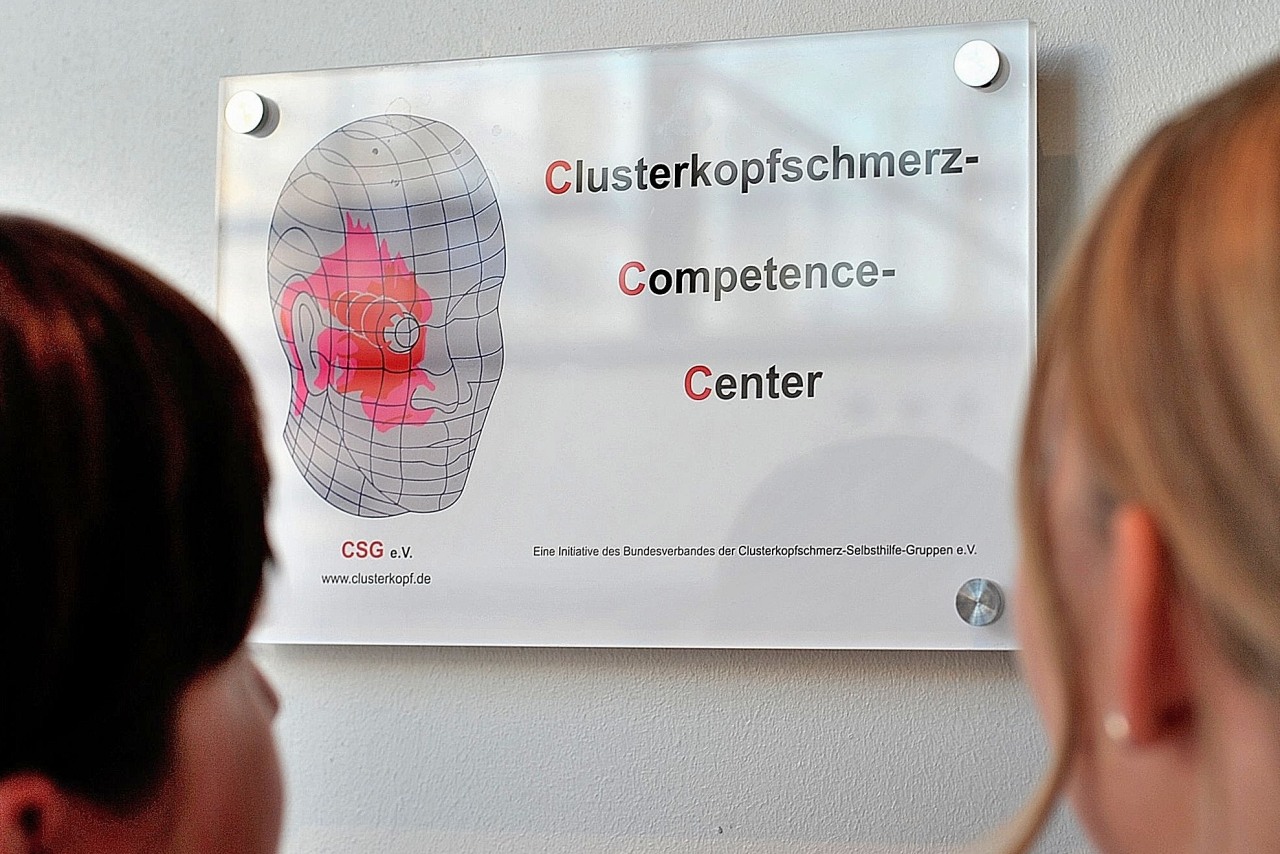

In collaboration with the Department of Neurology, Leiden University (Netherlands), the University Hospital Schleswig-Holstein and other European university centers, we are conducting a study on the effectiveness of occipital nerve (N. occipitalis) stimulation in therapy-resistant chronic cluster headache.
The aim of the study
Cluster headaches generally respond well to drug therapies. However, in a group of patients, particularly those suffering from the chronic form of cluster headaches, sufficient efficacy may not be achieved or the treatment may not be tolerated. There is compelling scientific evidence to suggest that occipital nerve stimulation (ONS) is effective in some of these patients. In smaller studies in Germany, the Netherlands, the UK, and Belgium, the results of ONS were promising. There were no serious side effects, and numerous patients experienced less frequent and less severe attacks. Before this new treatment method is used in a wider range of patients, its efficacy and safety must be confirmed in larger scientific studies. Furthermore, we aim to determine the optimal method for occipital nerve stimulation. To this end, we are investigating the efficacy and safety of different stimulation techniques.
What medical equipment is used?
In this study, battery-powered electrical stimulation electrodes are implanted under the skin of the neck. These electrodes have extensive experience and have been used for years in the treatment of therapy-resistant severe pain in the arms and legs. The device used is CE-certified. To test the efficacy of ONS (On-the-Nose Stimulation) in patients with severe cluster headaches, the pulse generator is implanted under the skin in the abdominal region. The battery and stimulation electrodes are connected by extension leads, which are placed under the skin from the abdomen to the neck. This procedure is performed in the operating room under general anesthesia.
How is the study conducted?
To scientifically demonstrate the effectiveness of ONS, various stimulation parameters must be compared. It is important that neither the patient nor the investigator is informed about the stimulation parameters. The stimulation parameters are randomly determined by a computer. At the end of the study, the patient is informed of the stimulation parameters used. If medically necessary, the stimulation parameters will be determined earlier.
If a patient is interested in participating in the study and meets the study criteria after an initial outpatient examination, the treating neurologist will discuss the course of the illness with the study coordinator and the neurosurgeons. If it is decided that you can participate, you will be asked to sign an informed consent form. It will take approximately two months to schedule the surgery at the University Hospital Schleswig-Holstein. During this time, you will be asked to complete an electronic diary for four weeks as a training exercise, and then for eight weeks until the surgery. You will be examined before the surgery. Assignment to the treatment will take place if you meet the inclusion criteria after completing the headache diary for 12 weeks. It is possible that you will not be able to continue participating in the study after these initial three months.
If it has been decided that you can continue participating in the study, the next step is to randomly assign you a stimulation program. The exact settings will be adjusted during follow-up examinations at scheduled times. Neither you nor the researcher will know which stimulation program is being used during the study. Depending on the program chosen, you may feel a slight tingling sensation at the back of your head. The intensity and extent of this tingling sensation have no known correlation with the effectiveness of the stimulation.
The exact details of the study will be explained to you during your outpatient examination. Further details about the study can be found here.
The Ethics Committee of the Medical Faculty of the Christian-Albrechts-University of Kiel has reviewed the study project and given its approval.
Which patients can participate?
- They meet the criteria for chronic cluster headache
- They have at least 4 attacks per week
- They meet the criteria for cluster headache that does not respond to treatment
- They are at least 18 years old
- You agree not to take any new preventive cluster headache medication or corticosteroids during the study period.
How can I register for an outpatient preliminary examination?
Cluster Headache Competence Center
, Pain Clinic Kiel,
Heikendorfer Weg 9-27,
D-24149 Kiel,
Phone: +49 431-20099150
, Fax: +49 431-20099109,
hg@schmerzklinik.de
, Website: https://schmerzklinik.de,
Add
address to your , vCard Pain Clinic as QR code: please click here
, vCard Prof. Göbel as QR code: please click here,
Directions: Information & Maps
Further information on cluster headaches:
https://schmerzklinik.de/service-fuer-patienten/cluster-kopfschmerzen/
https://schmerzklinik.de/service-fuer-patienten/clusterkopfschmerz-wissen/
https://schmerzklinik.de/2015/09/30/kieler-clusterkopfschmerz-konferenz-versorgung-in-europa-2015/
https://schmerzklinik.de/2014/02/21/zentrum-fuer-seltene-kopfschmerzerkrankungen/
Cluster headaches – overview
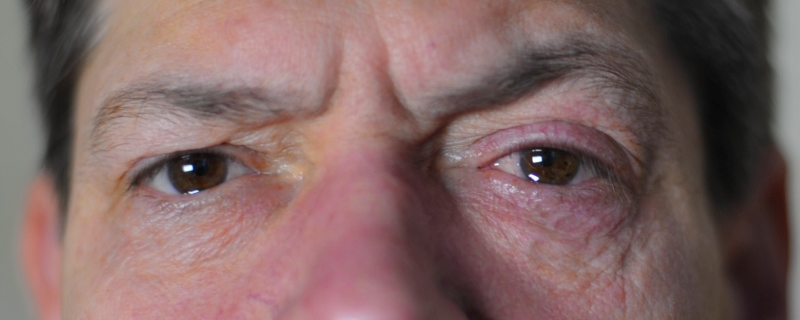
The hallmark of trigeminal autonomic cephalalgias is severe, unilateral, and, unlike migraine, predominantly side-constant pain attacks in the distribution of the ophthalmic nerve. These attacks are accompanied by distinctive ipsilateral autonomic symptoms. The most common symptoms are conjunctival injection, lacrimation, nasal congestion, and/or rhinorrhea. Clinically, cluster headache, paroxysmal hemicrania, and SUNCT syndrome are primarily distinguished based on attack duration and frequency. A special form is hemicrania continua. In this condition, the characteristic unilateral persistent headache is superimposed by headache attacks, which in turn are accompanied by the typical autonomic symptoms. While trigeminal autonomic cephalalgias are generally classified as primary headache disorders, secondary forms are not uncommon, unlike migraine. Therefore, a thorough medical history and further diagnostic evaluation, including cerebral imaging, are essential
Clinical picture
In the episodic form, which is the most common (approximately 85%), attacks occur in recurrent clusters. Active cluster periods, lasting an average of two weeks to three months and involving (usually) daily attacks, are followed by symptom-free remission phases that can last for months or years. In chronic cluster headache, cluster attacks occur for more than a year without remission phases lasting at least four weeks. The defining characteristic of cluster headache attacks, which last from 15 to 180 minutes, is the restlessness experienced by those affected. Therefore, adherence to bed rest in a flat upper-body position tends to argue against the diagnosis. In many patients, the occurrence of cluster attacks follows specific rhythms. This applies both to cluster periods, which often recur regularly at certain times of the year (spring/autumn), and to individual attacks. Nocturnal attacks are most common, often occurring during sleep, either shortly after falling asleep or in the early morning hours. Almost half of those affected also describe persistent pain, usually of milder intensity, between attacks [ii] . In individual cases, this pain can be more severe and may even require treatment.
The diagnostic criteria for cluster headache were revised by the International Headache Society in 2013 (ICHD-3 beta [iii] ). During active cluster periods, attacks can be reproducibly triggered within 1 hour in many patients by the ingestion of small amounts of alcohol [iv] or by nitroglycerin spray. Although individual cluster attacks cannot be provoked by nicotine consumption, it is striking that non-smokers suffering from cluster headache are rare in the episodic form and extremely rare in the chronic form [v] .
Epidemiology
Cluster headache is the most common trigeminal autonomic cephalalgia. Its lifetime prevalence of 124 per 100,000 is similar to that of trigeminal neuralgia [vi] , [vii] . Men are 4-5 times more likely to be affected than women. The age of onset is usually between 20 and 40 years [viii] . The episodic form is six times more common than the chronic form, although transitions in both directions are possible. Heredity appears to play a minor role overall. Fewer than 10% of affected individuals know of a first-degree relative with the same condition. A recent meta-analysis could not confirm a previously reported association with a mutation in the hypocretin receptor 2 gene [ix] .
Origin
Results from PET scans suggested that attacks originate in the ipsilateral hypothalamus [x] . Such a higher-level influence of the hypothalamus could, among other things, explain the typical circadian attack rhythm. The PET scans directly led to the use of deep brain stimulation for the treatment of therapy-resistant chronic cluster headaches (su). While the typical autonomic symptoms are considered a consequence of central parasympathetic activation, the actual pain is explained, similarly to migraine, as a consequence of trigeminovascular activation with a resulting neurogenic inflammation, among other things, in the region of the cavernous sinus. Here, sensory fibers of the ophthalmic nerve, sympathetic nerve fibers, venous vessels that drain the orbit, and the internal carotid artery are bundled together in a very confined, bony space. Local inflammatory processes can mechanically affect both sensory nerve fibers and blood vessels in this area. The reliable effect of cortisone in cluster headache prophylaxis is attributed to the suppression of this neurogenic inflammation. Triptans and ergotamines act one step earlier and inhibit the release of CGRP, a neuropeptide of the trigeminal vascular system [xi] . However, the rapid initial effect of triptans during an attack, like that of oxygen inhalation, is likely due to vasoconstriction with pressure relief of the ophthalmic nerve.
Attack therapy
[xii] and sumatriptan 6 mg subcutaneously [xiii] are effective and explicitly approved for the acute treatment of cluster headache. The latter acts so quickly and reliably that a lack of response casts doubt on the diagnosis of cluster headache. Both substances also have a prophylactic effect, although, due to their short elimination half-life, this effect lasts only a few hours. While the approval restricts use to two administrations within 24 hours, it does not limit the number of days per month. Therefore, daily use is formally permitted. Headaches due to triptan overuse have been described in cluster headache, but they occur rarely and almost always only in patients who also suffer from migraine [xiv] .
Inhalation of 100% oxygen (12/min) is also highly effective [xv] . Oxygen therapy offers significant advantages compared to triptans. It is very well tolerated, there are no relevant limitations to its use in practice, and the treatment can be repeated as often as necessary within 24 hours. However, it is unwieldy, even with portable 2-liter oxygen cylinders, and procuring them can be problematic on a daily basis. Furthermore, it lacks the prophylactic effect that characterizes triptans. Therefore, oxygen therapy is not well-suited for breaking up nocturnal attacks.
Second-line and off-label treatments include sumatriptan 20 mg nasal [xvi] and lidocaine 4% intranasal. Nasal sumatriptan offers no advantage over the approved zolmitriptan 5 mg nasal. Intranasal lidocaine 4% is considered an alternative in cases of contraindications to triptans and ineffectiveness of oxygen. However, its efficacy is limited [xvii] .
Drug prophylaxis
The goal of prophylaxis is complete freedom from attacks in the shortest possible time. Clinically effective prophylactic agents can be divided into two groups. The group of short-term prophylactic agents includes substances with a rapid and reliable onset of action, but which are not suitable, or only suitable to a limited extent, for long-term therapy. These include prednisolone [xviii] , ergotamine tartrate [xix] , and oral triptans such as naratriptan [xx] . However, if chronic cluster headache or cluster periods lasting more than four weeks are present, substances suitable for long-term therapy are required. This group of long-term prophylactic agents includes verapamil, lithium, and topiramate. In practice, a short-term prophylactic is usually combined with a long-term prophylactic agent initially, until the long-term prophylactic agent takes effect. The temporary administration of the short-term prophylactic agent then serves to bridge the time until the onset of action of the slowly titrated long-term prophylactic agent. Lithium is explicitly approved for cluster headache prophylaxis, while verapamil can be prescribed for off-label use according to a decision by the Joint Federal Committee.
The available research on short-term prophylactic medications, which have been used for decades, is limited, but empirical evidence leaves no doubt about their efficacy. Their use is usually limited to a period of 7-14 days. For prednisolone, a starting dose of 100 mg/day in the morning is often chosen, followed by a gradual reduction of the dose. Ergotamine tartrate 2 mg and long-acting triptans such as naratriptan 2.5 mg are preferably administered as a single evening dose for predominantly nocturnal attacks (both are off-label uses). If attacks occur throughout the day, administration every 12 hours is possible.
Verapamil [xxi] is generally considered the first-line long-term prophylactic due to its favorable efficacy-to-risk ratio. The effective dose range for episodic cluster headache is 240 to 480 mg in a sustained-release formulation, divided into two daily doses. In the chronic form, significantly higher doses up to 960 mg are used under ECG monitoring. Lithium [xxii] and topiramate [xxiii] are also effective, but often exhibit considerably poorer tolerability. Both substances can be used as monotherapy or in combination with verapamil. When using lithium, a morning fasting serum level of 0.6–0.8 mmol/L is targeted. For topiramate, daily doses between 100 and 200 mg are recommended, although in some individual cases significantly higher doses are required.
In episodic cluster headache, drug prophylaxis is discontinued when the period subsides; in chronic cluster headache, the dose is adjusted according to the activity of the disease.
Neuromodulation
Over the past 15 years, various neuromodulation techniques have been presented as innovative treatment options for cluster headaches. Due to their invasiveness, these procedures have not been used beyond the level of a last resort for otherwise therapy-resistant chronic cluster headaches. Large sample sizes, as are common in drug trials, were therefore unrealistic from the outset.
The oldest method, deep brain stimulation in the ipsilateral posterior hypothalamus [xxiv] , was derived directly from the pathophysiological model of attack generation in the hypothalamus (so). A responder rate of approximately 60% also supported the validity of the model. A fatal postoperative cerebral hemorrhage in a Belgian patient, coinciding with the introduction of the more attractive, because less invasive, subcutaneous occipital nerve stimulation (ONS), then sealed the fate of deep brain stimulation [xxv] . Initial case reports and later case series for ONS were promising [xxvi] . Current international controlled trials are investigating the efficacy of ONS for the prevention of cluster headaches (see https://schmerzklinik.de for further information).
Currently, a neurostimulation procedure has CE marking for the acute treatment of cluster headache: the Pulsante™ SPG Microstimulator System for sphenopalatine ganglion stimulation. It is primarily a procedure for the acute treatment of cluster headache attacks, but it is also reported to lead to a reduction in the number of attacks in some patients [xxvii] . In this stimulation procedure, a small electrode is implanted in the vicinity of the sphenopalatine ganglion. During attacks, a handheld device held against the cheek generates an electrical current in the electrode, which modulates parasympathetic nerve fibers. Approximately two-thirds of patients benefit from either a reduction in the frequency of cluster attacks and/or a decrease in the number of attacks. However, complications such as facial sensory disturbances occur in over 80% of patients, and these can persist for several months or longer.
A newer procedure, transcutaneous vagus nerve stimulation, addresses patients' desire for less invasive treatment and thus fewer complications. Regular stimulation of the vagus nerve in the neck three times daily for four minutes, in addition to standard drug therapy, is expected to reduce the number of attacks compared to standard drug therapy alone [xxviii] – without significant side effects. However, conclusive controlled studies are lacking. It remains to be seen how this neurostimulation procedure will perform in clinical practice.
[i] Edvardsson B. Symptomatic cluster headache: a review of 63 cases. Springer plus. 2014 Feb 3;3:64.
[ii] Marmura MJ, Pello SJ, Young WB. Interictal pain in cluster headache. Cephalalgia. 2010 Dec;30(12):1531-4.
[iii] Headache Classification Committee of the International Headache Society (IHS). The International Classification of Headache Disorders, 3rd edition (beta version). Cephalalgia. 2013 Jul;33(9):629-808.
[iv] Schürks M, Diener HC. Cluster headaches and lifestyle habits. Curr Pain Headache Rep. 2008 Apr;12(2):115-21. Review.
[v] Ferrari A, Zappaterra M, Righi F, Ciccarese M, Tiraferri I, Pini LA, Guerzoni S, Cainazzo MM. Impact of continuing or quitting smoking on episodic cluster headache: a pilot survey. J Headache Pain. 2013 Jun 6;14:48.
[vi] Fischera M, Marziniak M, Gralow I, Evers S. The incidence and prevalence of cluster headache: a meta-analysis of population-based studies. Cephalalgia. 2008 Jun;28(6):614-8.
[vii] Manzoni GC, Torelli P. Epidemiology of typical and atypical craniofacial neuralgias. Neurol Sci. 2005 May;26 Suppl 2:s65-7. Review.
[viii] Ekbom K, Svensson DA, Träff H, Waldenlind E. Age at onset and sex ratio in cluster headache: observations over three decades. Cephalalgia. 2002 Mar;22(2):94-100.
[ix] Weller CM, Wilbrink LA, Houwing-Duistermaat JJ, Koelewijn SC, Vijfhuizen LS, Haan J, Ferrari MD, Terwindt GM, van den Maagdenberg AM, de Vries B. Cluster headache and the hypocretin receptor 2 reconsidered: a genetic association study and meta-analysis. Cephalalgia. 2015 Aug;35(9):741-7.
[x] May A, Bahra A, Büchel C, Frackowiak RS, Goadsby PJ. Hypothalamic activation in cluster headache attacks. Lancet. 1998 Jul 25;352(9124):275-8.
[xi] Edvinsson L, Goadsby PJ. Neuropeptides in migraine and cluster headache. Cephalalgia. 1994 Oct;14(5):320-7. Review.
[xii] Hedlund C, Rapoport AM, Dodick DW, Goadsby PJ. Zolmitriptan nasal spray in the acute treatment of cluster headache: a meta-analysis of two studies. Headache.2009 Oct;49(9):1315-23.
[xiii] Göbel H, Lindner V, Heinze A, Ribbat M, Deuschl G. Acute therapy for cluster headache with sumatriptan: findings of a one-year long-term study. Neurology.1998 Sep;51(3):908-11.
[xiv] Paemeleire K, Bahra A, Evers S, Matharu MS, Goadsby PJ. Medication-overuse headache in patients with cluster headache. Neurology. 2006 Jul 11;67(1):109-13.
[xv] Cohen AS, Burns B, Goadsby PJ. High-flow oxygen for treatment of cluster headache: a randomized trial. JAMA. 2009 Dec 9;302(22):2451-7.
[xvi] van Vliet JA, Bahra A, Martin V, Ramadan N, Aurora SK, Mathew NT, Ferrari MD, Goadsby PJ. Intranasal sumatriptan in cluster headache: randomized placebo-controlled double-blind study. Neurology. 2003 Feb 25;60(4):630-3.
[xvii] Robbins L. Intranasal lidocaine for cluster headache. Headache. 1995 Feb;35(2):83-4.
[xviii] Jammes JL. The treatment of cluster headaches with prednisone. Dis Nerv Syst. 1975 Jul;36(7):375-6.
[xix] Mathew NT. Dosage and administration of ergotamine tartrate and dihydroergotamine. Headache. 1997;37 Suppl 1:S26-32. Review.
[xx] Mulder LJ, Spierings EL. Naratriptan in the preventive treatment of cluster headache. Cephalalgia. 2002 Dec;22(10):815-7.
[xxi] Leone M, D'Amico D, Frediani F, Moschiano F, Grazzi L, Attanasio A, Bussone G.Verapamil in the prophylaxis of episodic cluster headache: a double-blind study versus placebo. Neurology. 2000 Mar 28;54(6):1382-5.
[xxii] Manzoni GC, Bono G, Lanfranchi M, Micieli G, Terzano MG, Nappi G. Lithium carbonate in cluster headache: assessment of its short- and long-term therapeutic efficacy. Cephalalgia. 1983 Jun;3(2):109-14.
[xxiii] Láinez MJ, Pascual J, Pascual AM, Santonja JM, Ponz A, Salvador A. Topiramate in the prophylactic treatment of cluster headache. Headache. 2003 Jul-Aug;43(7):784-9.
[xxiv] Leone M, Proietti Cecchini A, Franzini A, Broggi G, Cortelli P, Montagna P, May A, Juergens T, Cordella R, Carella F, Bussone G. Lessons from 8 years' experience of hypothalamic stimulation in cluster headache. Cephalalgia. 2008 Jul;28(7):787-97
[xxv] Schoenen J, Di Clemente L, Vandenheede M, Fumal A, De Pasqua V, Mouchamps M, Remacle JM, de Noordhout AM. Hypothalamic stimulation in chronic cluster headache: a pilot study of efficacy and mode of action. Brain. 2005 Apr;128(Pt 4):940-7.
[xxvi] Mueller O, Diener HC, Dammann P, Rabe K, Hagel V, Sure U, Gaul C. Occipital nerve stimulation for intractable chronic cluster headache or migraine: a critical analysis of direct treatment costs and complications. Cephalalgia. 2013 Dec;33(16):1283-91
[xxvii] Schoenen J, Jensen RH, Lantéri-Minet M, Láinez MJ, Gaul C, Goodman AM, Caparso A, May A. Stimulation of the sphenopalatine ganglion (SPG) for cluster headache treatment. Pathway CH-1: a randomized, sham-controlled study. Cephalalgia. 2013 Jul;33(10):816-30.
[xxviii] Gaul C, Diener HC, Silver N, Magis D, Reuter U, Andersson A, Liebler EJ, Straube A; PREVA Study Group. Non-invasive vagus nerve stimulation for PREVention and Acute treatment of chronic cluster headache (PREVA): A randomized controlled study. Cephalalgia. 2015 Sep 21.


Leave a comment