




Migraines and headaches:
Through sensitivity to tension to relaxation as therapy
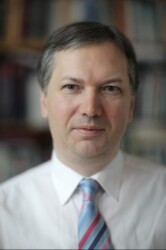
Prof. Dr. H. Göbel
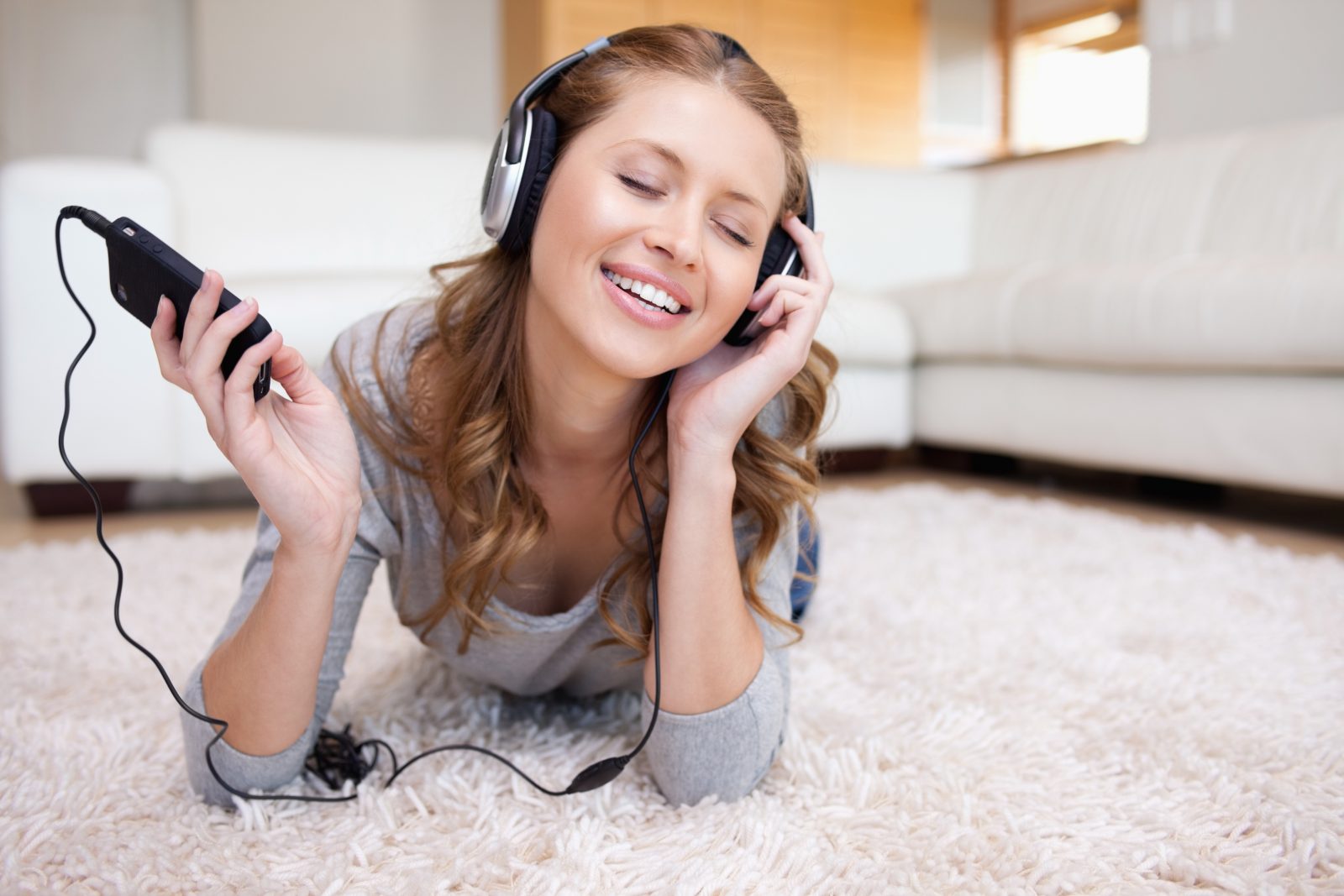
Modern therapy for migraines, headaches, and other pain conditions relies not only on medication but also incorporates behavioral medicine treatment methods. Numerous scientific studies confirm the effectiveness of specific relaxation techniques, such as progressive muscle relaxation, particularly in the prevention of headaches, migraines, back pain, fibromyalgia, neuralgia, stress reactions, and other conditions. The relaxation materials presented here were developed for therapeutic purposes by Prof. Dr. med. Dipl.-Psych. Hartmut Göbel, a specialist in neurology, pain therapy, Master of Migraine and Headache Medicine, psychotherapy, and a certified psychologist. Production was carried out using state-of-the-art, fully digital methods, incorporating professional speech and music technology. Application is very simple. All you need is a PC, tablet, or smartphone with speakers or headphones. Instructions are provided directly through the relaxation materials. This allows anyone to begin training actively and independently immediately. Without appointments or waiting rooms, you can deeply relax anytime and improve your performance and quality of life. Your family members will also be delighted by your newfound balance, which will quickly spread to others. Below, we present four different methods for adults. You will also find a method specifically designed for children. Audio samples will give you an impression of the exceptional quality of the original recordings. A subscription provides unlimited access to all media. Instructions can be found at the bottom of this page.
 Progressive Muscle Relaxation. The professional, classic relaxation training. This method is favored among classic relaxation trainings for headaches, especially migraines, because it is the easiest to learn and has also proven to be the most effective. The method is based on the active perception of tension and relaxation in the muscles and enables the practitioner to actively induce the deepest possible relaxation in both body and mind. The practitioner should actively concentrate on the tension and relaxation they themselves create and perceive the differences between these two phases, resulting in a direct experience of tension and allowing for a positive influence on it. This makes it possible to recognize tension early and initiate countermeasures. This relaxation technique provides a form of classic relaxation training specifically adapted for pain management. The method has been extensively clinically tested.
Here you can listen to audio samples:
Progressive Muscle Relaxation for Children: Professional Classical Relaxation Training for Kids. This method is favored over traditional relaxation techniques for headaches, especially migraines, as it is the easiest to learn and has proven to be the most effective. Lead psychologist Anneke Nielson and the head physician of the Kiel Pain Clinic, Prof. Dr. med. Dipl.-Psych. Hartmut Göbel, developed this new, contemporary version for treating children up to approximately 14 years of age. It also includes a guided relaxation exercise. The method is based on actively perceiving tension and relaxation in the muscles and enables participants to actively induce deep relaxation, both physically and emotionally. This is a form of classic relaxation training specifically adapted for use by children and adolescents. The method has undergone extensive clinical testing with the participation of children and adolescents. "Progressive muscle relaxation" is a term that sounds somewhat complicated at first, but it actually describes a very simple method: "Progressive" means "gradual" or "progressive," and "muscle relaxation" is another word for "muscle relaxation," so it's about "gradual muscle relaxation." With this type of relaxation, individual, important muscle groups of the body are progressively, or gradually, relaxed. This is achieved by first tensing these muscle groups strongly for a brief moment and then completely relaxing them again.
Here you can listen to audio samples:

Mental Relaxation. Simply listen, relax deeply, and feel wonderfully at ease. This newly developed relaxation training makes the results of current scientific research on the causes of migraines and headaches available for practical application. Brain activity is stabilized to prevent migraine attacks, so that sudden disturbances cannot have an impact. Sudden, unforeseen changes, highs and lows, lead to disruptions in brain activity and trigger a migraine attack. In contrast, relaxation and a regular daily routine can lead to a synchronization of brain activity and thus contribute to a lower susceptibility to disruptions. This relaxation method uses professional techniques and deep suggestion to convey multimedia visual and auditory images. These provide the key principles for structuring your daily routine and preventing sudden disturbances. Listeners are enabled to quickly learn and implement these principles.
Here you can listen to audio samples:

Deep relaxation through active breathing. Stress-free, relaxed, and regenerated in 15 minutes. Deep relaxation through active breathing works by systematically tensing and relaxing the respiratory muscles. In addition, relaxing multimedia acoustic and visual suggestions are delivered digitally via stereo. This results in a pleasant feeling of relaxation after listening. With some practice, most users are able to actively relax in a variety of situations. The important thing is not only to be able to relax, but also to harmonize the control processes in the brain. This relaxation training can also lead to a less stressful, more satisfying, and more balanced daily routine.
Here you can listen to audio samples:

Imagery Therapy: Visualization for the Acute Treatment of Migraines, Tension Headaches, and Back Pain. Imagery therapy involves vividly imagining events in the mind's eye through visualization. The imagined scenes can be used to bring about direct, active changes in the body. By vividly imagining these scenes, activity can be generated in the central nervous system, thus directly influencing its processes. The visualizations have been specifically developed to actively modify the dysfunctional processes associated with migraines, tension headaches, and back pain. They are based on current research findings. Specific visualizations for listening and relaxation are included for each of these three conditions.
Here you can listen to audio samples: