


 NEW: Hartmut Göbel: Headaches. 4th edition, 2024
Hartmut Göbel:
Headaches – Causes, Mechanisms, Diagnosis, Therapy
Textbook, hardcover,
4th edition 2024.
830 pages, 400 illustrations.
Springer-Verlag, Heidelberg, ISBN 978-3-662-68872-4.
Format (W x L): 21 x 27.9 cm.
date: first half of 2024.
Order via Amazon.
More publications by Hartmut Göbel from Springer-Verlag.
This standard work on migraine, headaches, facial pain, and neuralgia comprehensively presents the current state of knowledge regarding their causes, diagnosis, and contemporary therapy. It follows the structure and logic of the International Classification of Headache Disorders, taking into account the latest evidence-based guidelines. This practical handbook is ideally suited for all clinical questions concerning all forms of migraine and headache. It is aimed at physicians of all specialties, psychologists, physiotherapists, sports therapists, and other professionals who treat patients with migraine and headaches. The 4th edition is comprehensively updated, expanded, and revised. This new edition incorporates the rapid and extensive growth of knowledge in the entire field of migraine and headache therapy.
Headaches are the number one health problem . Over 400 different primary diagnoses are currently distinguished. This book comprehensively describes the current state of knowledge regarding the causes, diagnosis, and contemporary treatment of various headache types. It follows the structure and logic of the International Classification of Headache Disorders, taking into account the latest evidence-based guidelines. This practical handbook is ideally suited for all clinical questions concerning all forms of migraine and headache. It is aimed at physicians of all specialties, psychologists, physiotherapists, sports therapists, and other professionals who treat patients with migraine and headaches. The 4th edition is comprehensively updated, expanded, and revised. This new edition incorporates the explosive growth of knowledge in the entire field of migraine and headache therapy.
Contents include:
- Classification, diagnosis and therapy of all currently known forms of headache based on the current 3rd edition of the International Classification of Headache Disorders
- Pathomechanisms, progression and chronicity factors
- Targeted prevention and acute therapy based on current scientific knowledge
- All modern therapeutic methods: behavioral measures, attack therapy, preventive medication, psychotherapy, physiotherapy, neuromodulation, etc.
- Developments include triptans, onabotulinumtoxin A, monoclonal antibodies against the calcitonin gene-related peptide (CGRP) receptor or against CGRP, gepants, ditans, PACAP, and others.
- Comorbidities, psychological interventions, relaxation techniques, sports and physiotherapy
- Organization, quality assurance, coding, cost-effectiveness, social law
- Prevention and treatment of complications, progression and chronicity
- Coordinated and integrated care, interdisciplinary multimodal complex treatment
The author is
Prof. Dr. med. Dipl.-Psych. Hartmut Göbel, Director of the Kiel Pain Clinic, Migraine and Headache Center, DGS Excellence Center for Headache, and Head of the Master's program in Migraine and Headache Medicine at the University of Kiel.
- With numerous illustrations and tables
- Includes practice checklists, web-based questionnaires and a free migraine app
- This standard work conveys the current state of knowledge on the causes, diagnosis and therapy of migraines, headaches, facial pain and neuralgia
- Based on the current international headache classification ICHD-3

Hartmut Göbel: Successfully Combating Headaches and Migraines. 9th Edition, 2020
Preface to the 9th edition
The treatment of headaches has developed into one of the most successful and fascinating fields of medicine in recent years. Many causes of headaches have been uncovered, and the mechanisms that maintain and worsen them are now understood in greater detail. Headaches can now be classified and diagnosed very precisely. In 2018, the third edition of the International Classification of Headache Disorders was published in its final version, distinguishing 367 main types of headaches. This is beneficial because most types of headaches can be treated very precisely and with highly specialized techniques. For widespread headache types, especially migraine and tension-type headaches, prevention through behavioral adjustments, knowledge, and information plays a crucial role. Without understanding the underlying causes that lead to, maintain, and complicate headaches, successful and sustainable headache treatment is impossible. Furthermore, new and innovative medications are now available to headache patients. When used appropriately, these can also contribute significantly to the improvement of headaches.
However, up-to-date and modern knowledge must also be made directly available to those affected. In recent years, entirely new approaches have been implemented to ensure that patients with headaches receive modern and effective care in the future. New care structures, such as the nationwide headache treatment network, have been developed and expanded. These enable the rapid provision of current knowledge for better and more sustainable treatment of those affected. Networking and interdisciplinary collaboration are essential foundations for success in coordinated care. Health insurance companies and health policymakers have placed the importance of headaches at the forefront of their activities. New, interconnected organizational structures have been established and expanded to alleviate pain and reduce costs for those affected. Patients themselves also play a significant role in improving care. They exchange information in self-help groups and online forums and advocate for better care for migraines and headaches. All of this has led to headaches and migraines being treated more successfully today than ever before in human history.
This 9th edition, following several reprints, has been completely updated and extensively expanded. Key new features include changes in the classification and diagnosis of headaches due to the 3rd edition of the International Classification of Headache Disorders (ICDH-3), new findings on the genetic basis of migraine, the prevention of migraine and headaches in children and adolescents, nutrition in relation to migraine and headaches, effective documentation using the migraine app, new medications for attack treatment, immunotherapy of migraine with CGRP monoclonal antibodies, neuromodulation, and much more. New illustrations and tables have also been added. This new edition aims to ensure that current research findings are directly incorporated into clinical practice and implemented. Modern knowledge and information can thus lead to a sustainable and effective improvement in migraine and headaches.
I wish all readers insightful glimpses into the fascinating processes of the human nervous system, as well as successful prevention and active management of their migraines and headaches.
Prof. Dr. Hartmut Göbel
, August 2020, Kiel
About this book
Renowned headache expert Professor Dr. Hartmut Göbel provides information on the types and causes of headaches and migraines, as well as modern diagnostic options and treatment methods, including alternative therapies. Furthermore, those affected will receive important information and valuable tips on what they can do to prevent and successfully manage headaches and migraines.
This book also includes the following for you:
- Current findings on the development of migraines and headaches
- New and established medications, their mode of action and tips for use
- Self-treatment of migraines and headaches
- Addresses of self-help groups, pain experts and clinics
- Service pages on the internet www.schmerzklinik.de
- Migraine app, headache questionnaires, checklists
- Self-help community www.headbook.de
The 9th edition has been completely updated and extensively expanded, including the following topics:
- Taking into account the current edition of the International Classification of Headache Disorders (ICHD-3)
- New insights into the genetic basis of migraine
- Migraine and headaches in children and adolescents
- Migraine in a woman's life
- Nutrition and migraines
- Practical application of the migraine app in healthcare provision
- New medications for attack treatment
- Immunotherapy with CGRP antibodies
- Neuromodulation
The author
Prof. Dr. med. Dipl. Psych. Hartmut Göbel, Specialist in Neurology, Special Pain Therapy,
Psychotherapy and Psychologist, Head Physician of the Kiel Pain Clinic
www.schmerzklinik.de
9th edition 2020
Print edition
Softcover
Retail price
▶ *€29.99 (Germany)
Available at
▶ Amazon
eBook
Available at
▶ springer.com/shop
This is what the Süddeutsche Zeitung about the third edition.
Frankfurter Allgemeine Zeitung : "The research and treatment of headaches, long neglected by medicine, has now developed into a major, central health issue. This is the conclusion drawn by Hartmut Göbel in his popular book on headaches and their treatment, which has now been published in a new, completely revised edition. The author heads the Kiel Pain Clinic, an institution that has set standards in the neurological-behavioral therapy of pain patients. One of his most important concerns is to impart comprehensive knowledge about the causes and treatment options for the condition, because only an informed patient can ask qualified questions during a consultation. The reader is given detailed information about the individual forms of headaches and receives advice on treatment, which is by no means limited to medication. In a separate chapter, Göbel presents unconventional treatment methods, including the injection of spider venom, striving for an unbiased yet critical evaluation. A checklist, which allows patients to judge whether the doctor they are consulting is competent, should prove particularly helpful. A large service section with addresses, practical advice, and the 'Kieler' (Kiel) A headache questionnaire and a description of the most important medications round off this headache book, which is already considered a classic.
Neuro Aktuell review
Self-help for headaches and migraines
Successfully combating headaches and migraines – every neurologist should read this excellent guide, originally intended for sufferers. The 6th edition of this work, initially written for patients by the renowned headache therapist and head physician of the Kiel Pain Clinic, Prof. Dr. med. Dipl. Psych. H. Göbel, will be published in March of this year.
Those affected are carefully and comprehensively informed – always under the motto: "Headaches don't have to be endured!" – about their forms and causes, modern diagnostic options, preventative strategies, modern medications, and alternative treatment methods. As the author emphasizes, the numerous new developments in headache and, in particular, migraine therapy made this sixth edition necessary. Completely new ideas have emerged in recent years regarding how headache patients can be treated in a contemporary manner. Self-help groups and online forums are now working energetically to improve the care of these patients. Not least because of this, headaches and migraines can now be treated more successfully "than ever before in human history.".
The service section lists headache medications, headache specialists, options for inpatient headache therapy, psychotherapy for headaches, audio recordings for relaxation training, addresses, tips for organizing self-help group meetings, and service material for pain documentation.
Headaches – causes, mechanisms, diagnosis and therapy in practice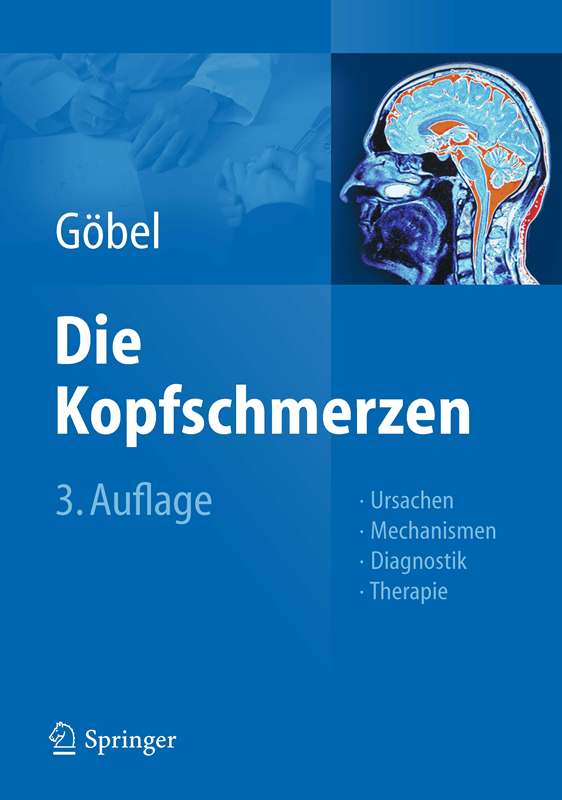
The standard work on migraines, headaches and neuralgias, now in its 3rd edition (2012)!
Headaches are the number one health problem. Today, over 250 different primary diagnoses are distinguished. This book presents the current state of knowledge regarding the causes, diagnosis, and treatment of various forms of headache. All content is structured systematically and presented clearly. The third edition has been completely revised and provides practical guidance on current therapeutic and diagnostic standards for modern headache therapy.
Recent research has revolutionized migraine and headache therapy. New healthcare landscapes have been developed to make these findings accessible to patients. This practical guide is ideally suited for all clinical questions related to migraine and headache therapy. It presents the current fundamentals of headache development, prevention, and acute treatment. An invaluable resource for any therapist treating patients with headaches.
- Based on the current edition of the International Classification of Headache Disorders
- Practical guide with evidence-based therapy recommendations
- All aspects of modern multimodal headache therapy
- Integrated care, interdisciplinary treatment
- Treatment pathways, complications and pitfalls
- Organization, quality assurance and coding
- Including questionnaires and checklists, numerous illustrations and tables
- Web-based questionnaires and pain diaries, iPhone app
- Unrivaled on the German market
“Headaches” is the comprehensive and up-to-date practical handbook for general practitioners, pain therapists, specialists of all disciplines, psychologists, pharmacists and anyone who wants to advise and treat patients with headaches based on the latest findings.
The 3rd edition 2012, Hartmut Göbel
Here you can view table of contents – The headaches
Headaches: Causes, Mechanisms, Diagnosis and Therapy in Practice. Göbel, Hartmut, 3rd revised and updated edition, 2012, XVIII, 950 pp.
Hardcover, ISBN 978-3-642-20694-8
Release date: April 2012
3rd completely updated edition 2011, Springer-Verlag Berlin Heidelberg New York:
ISBN No. 3-540-61160-6
Migraine – Diagnosis, Therapy, Prevention
Migraine: A throbbing, pounding, and knocking in the head that just won't stop. Every movement intensifies the pain. Life is a dark abyss, existence utter torment. Nausea, vomiting, pain, being bedridden, retreating into darkness and isolation lead to the extinguishing of the will to live. If you're lucky, the suffering is over after a few hours; if not, it can last for days. What remains is the fear of the next attack and the certainty: after one attack, another is sure to follow.
In Germany, migraines destroy more than 900,000 life days every day. Globally, migraine is one of the most significant widespread diseases, leading to severe individual disability and considerable social and societal burdens. Despite this, migraine is still inadequately addressed within the healthcare system; it is incompletely diagnosed and inappropriately treated. Although very precise diagnostic criteria and effective therapies have been developed in recent years, significant barriers to effective treatment remain. A lack of training and continuing education is considered a key problem for the modern care of migraine patients, both nationally and internationally. Despite the availability of effective relief options, those affected suffer unnecessarily and senselessly without help. At the same time, the financial impact on individuals and society is exceptionally high. This book aims to provide practicing physicians with up-to-date knowledge focused on the treatment of migraine. The diverse topics of specialized headache therapy in their entirety are discussed in the work "Headaches." Migraine is a distinct disease. It is not a symptom of any other cause. Migraine is aptly described as the encyclopedia of neurology. It manifests itself in numerous characteristics, influences experience and behavior, and can result in disturbances of almost all neurological and psychological functions. In recent years, science has made fascinating progress in the diagnosis and treatment of migraine. Numerous new therapeutic methods and innovative medications are available. Their use by a skilled therapist offers sufferers effective relief from their chronic condition and a lasting restoration of their quality of life. This information aims to help understand the origins of migraine and to make individually effective treatment approaches readily available to those affected.
Release date: May 2012
Springer-Verlag Berlin Heidelberg New York:
——————————————————————————————
Review of the journal DER SCHMERZ, by Martin Lindig (University of Lübeck)
——————————————————————————————
There is a vast number of books available on the common ailment of migraine. What distinguishes the newly published book by this renowned headache expert, making it highly recommendable despite the abundance of existing publications?
Doctors of all specialties who wish to learn about migraine will receive clearly presented information on its economic importance, current pathophysiological models, the manifestation of the disease, diagnostics and therapy.
What makes this book particularly useful is the clear integration of concise case studies with the theory. Summaries printed in blue help readers in a hurry. Color-coded sections explain key aspects (e.g., the 10-20 rule in migraine therapy, climatic factors and headaches, instructions for progressive muscle relaxation). Valuable summaries for everyday clinical practice are easily accessible under "Practical Tips." Numerous tables provide a quick overview of topics such as classification and medication. The text is illustrated primarily with schematic drawings and flowcharts, and photographs are also included.
Göbel masterfully manages to present the full spectrum of migraine without overwhelming the reader. Historical aspects, migraine in the lives of children, adolescents, and women, and unconventional treatment methods broaden the reader's understanding of the disease and their ability to make informed diagnostic and therapeutic decisions.
The book is written as a cohesive whole, an advantage over a collection of works by a group of authors. Göbel's fresh writing style repeatedly entices the reader to get engrossed in browsing. But even reading the treatise from beginning to end becomes a pleasant pastime thanks to its varied presentation.
However, anyone wishing to consult specific studies at their source will find it difficult due to the lack of citations or footnotes. The comprehensive and up-to-date alphabetical bibliography, however, lists the publications used in this context.
A detailed index makes the text accessible to those who do not wish to follow the chapter structure of the table of contents.
Thus, the book becomes both a helpful companion in everyday medical practice and a stimulating read for those seeking comprehensive continuing education and professional development. Göbel's extensive practical and theoretical knowledge is successfully showcased here; his book deserves wide distribution!
——————————————————————————–
Review: Deutsches Ärzteblatt 2012; 109(44): A-2198 / C-1761
——————————————————————————–
Neurology: Migraine is the number one widespread disease
Migraine is rightly considered a widespread disease worldwide, with high direct and indirect costs and socioeconomic consequences. Patients predominantly consult general practitioners, but also neurologists, internists, and orthopedists; consequently, the range of treatment options is quite broad. Göbel's book aims to provide current knowledge for migraine consultations, and it succeeds admirably. In addition to engaging historical anecdotes, the reader will find a wealth of the latest information on pathophysiology, differential diagnosis, course and prognosis, as well as modern and validated treatment options. Furthermore, all etiological and therapeutic ideas presented by the patient to the physician are discussed and critically evaluated, enabling treating physicians to provide informed advice. The text is detailed yet always clearly structured and easy to read. It is also very suitable for quickly looking up specific details. Instructive illustrations and tables enhance the text. Acute treatment and prophylaxis are described in detail, reflecting the latest scientific findings. However, the book also addresses unevaluated, outdated, or unconventional measures and specific problems, such as migraine in childhood or during pregnancy, that physicians encounter in practice. The book is thorough, informative, clearly structured, practical, and very readable. It can be highly recommended to any physician who wants to treat migraine patients in a contemporary manner. Wolfgang Hausotter
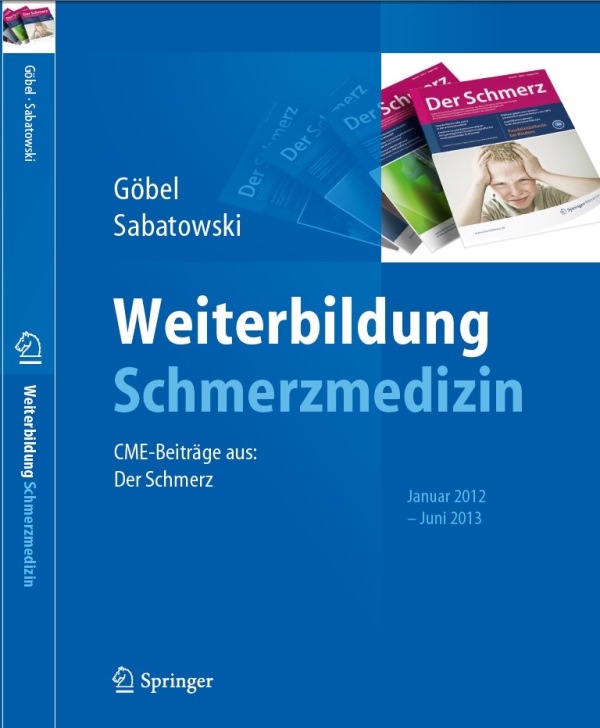 Topics in pain medicine – for continuing education and advanced training
- Would you like to stay informed about changes, innovations, current topics or trends in your field?
- Do you want practical information that is presented clearly and understandably?
- They are about to take the exam for the additional training course "Special Pain Therapy" and
- Would you like to learn or refresh the most important facts about your field?
Then pick up this book! It offers you up-to-date, high-quality, and expert knowledge on pain medicine – written and reviewed by experts – covering topics including:
- Tumor-related fatigue and its psychosocial burdens
- Headache due to increased cerebrospinal fluid pressure
- Caudal anesthesia in children: Significance and safety aspects
- Fabry disease – diagnosis and therapy
- Different types of headaches from Chapter 4 of the International
- Headache classification
- Chronic postoperative pain – physiology, risk factors and prevention
- Phantom pain – Psychological treatment strategies
- Ultrasound in interventional pain therapy
The content corresponds to the CME articles from the journal "Der Schmerz" from issue 1/2012 – issue 03/2013 and is based on the continuing education content for the additional training course "Special Pain Therapy".
Göbel, Hartmut; Sabatowski, Rainer (eds.)
CME articles from: Der Schmerz, January 2012 – June 2013
2013, Approx. 110 pages, 18 illustrations, 11 illustrations in color.
Order from: Springer-Verlag Heidelberg, Berlin, New York
 The pain thinks along with you
Understanding the body's warning signals
Hartmut Göbel
On the trail of pain. Understanding pain means investigating its causes. Pain is the best warning signal that something is out of balance in body, mind, and soul. Hartmut Göbel, one of Germany's most distinguished pain researchers, explains where pain comes from, how it develops, what therapies are available, and how to manage life with chronic pain. Includes numerous case studies.
Hardcover with dust jacket, 240 pages, 13.5 x 21.5 cm, 35 black and white illustrations; ISBN: 978-3-517-08780-1; €19.99 [D] | €20.60 [A] | CHF 28.50*; Publication date expected: Autumn/Winter 2014
 “Because I have to live with pain…”
Interviews with pain patients – treatment options for chronic conditions
Hartmut Göbel
While acute pain sends a warning signal to the brain indicating physical disturbances, chronic pain exists independently, without serving a protective function. In an extensive interview, Professor Göbel discusses his daily work, his motivation as a physician, and possible treatment strategies. A comprehensive service section covering therapies, medical terminology, and self-help groups completes this very personal guide.
• Impressive interviews with pain patients
• In-depth discussion with Prof. Dr. med. Hartmut Göbel about chronic pain and treatment methods
• Service section on treatment methods, technical terms, self-help groups
• Over 8 million people in Germany suffer from chronic pain – only 2% of them receive adequate treatment
A moving and important book
Hardcover, 160 pages, 12.5 x 18.7 cm, ISBN-10: 3-517-08245-7
ISBN-13: 978-3-517-08245-5 € 12.95 [D] / SFr 23.60 Südwest-Verlag
Migraine Coursebook
The 2nd edition 2005, Hartmut Göbel
Every morning in Germany, around 900,000 days of life are ruined by migraines. A throbbing in the head that just won't stop. Life is a dark abyss, existence utter torment, nausea, and pain. If you're lucky, it's over in a few hours; if you're unlucky, it lasts for three days. But the fear remains. Because soon, perhaps even tomorrow, they'll return: the explosions in the head that make life a living hell.
Only three out of ten sufferers know that the name for this torment is migraine. Many go from doctor to doctor. They change their treatment an average of eight times a year. They are disillusioned with science. They seek relief in unproven alternative treatments. They try practically everything. They go to faith healers, to acupuncture. They have their necks adjusted, they rearrange the beds in their bedrooms. Teeth are extracted, glasses are readjusted, orthotics are worn, and hysterectomies are performed. Many have no understanding of their condition, not even a name for their suffering.
This book aims to combat this migraine illiteracy. Migraine is a disease, a disease in its own right, not a symptom of anything else. Science has made fascinating progress in diagnosis and treatment in recent years. Migraine should not be, and must not be, simply accepted by those affected. The information in this book is intended to help understand the origins of migraine and to find effective treatments.
Retail price €16.95; ISBN 3517066745
2005, 2nd edition; 176 pages with color illustrations, hardcover
Migraines and headaches
Self-help: Relieving and treating pain attacks
 Two-thirds of Germans suffer from headaches, and nearly 10 million frequently experience migraines. This paperback provides an overview of the different types of headaches and migraine variations. It shows the possible triggers for headaches and migraine attacks. Based on the latest research findings, the reader receives sound information on effective treatment methods.
• The number of children suffering from migraines has increased sharply
• Includes checklists, a headache diary, and many tips to alleviate pain attacks
Published in 2006; Paperback, 112 pages, 10 illustrations, 13.0×19.0
ISBN: 3-517-08192-2; € 6.95 [D] / SFr 12.90
Migrena a bolesti hlavy

Hartmut Göbel
Rok vydania: 2007; Jazyk: slovencina;
ISBN: 978-80-551-1474-3
Slovak edition
You can order here
Therapy for primary headaches in practice

The 2nd edition 2006, Hartmut Göbel
Migraines and headaches are among the most common conditions that lead patients to seek medical help. Almost three-quarters of the population report headaches that cause significant suffering. Although more than 250 types of headaches are now recognized, only two are responsible for approximately 92% of all headaches: 54% are caused by tension-type headaches and 38% by migraines. These headache disorders, along with the much rarer cluster headache and several other specific subtypes, constitute the group of primary headaches. These primary headaches are independent conditions and not symptoms of another underlying disease that simply need to be identified and treated to achieve headache remission.
They therefore require independent knowledge of diagnostics, pathophysiology and therapy, which is summarized in this book as the necessary “know-how” for daily practice.
UNI-MED Science, 1st edition 2003, 136 pages, 50 illustrations, hardcover
ISBN 3-89599-720-X, Euro 44.80, SFr 79.20
Neurogenic pain – management of diagnosis and therapy

1st edition 2004, Detlef Rosenow, Volker Tronnier, Hartmut Göbel (eds.)
Effective therapy for neuropathic pain requires basic knowledge of the pathophysiology of pain and possible treatment strategies.
Renowned authors and experienced practitioners have compiled the topics in a clear and practical manner:
- Fundamentals of pain processes, in order to identify causes
- Diagnostic procedures that quickly provide clarity
- Effective conservative and surgical treatment methods that promise successful treatment:
- Medications, nerve blocks, SCS, pumps, etc.
- Treatment of specific types of pain and individual medical conditions
- Furthermore: chapters on taxonomy, physical procedures, psychiatric and psychological treatment methods.
- Plus CD-ROM with numerous illustrations of imaging techniques and device systems for neuroaugmentative procedures.
Written for: pain management specialists: anesthesiologists, neurologists, neurosurgeons, orthopedists, general practitioners
2005, 440 pp., 150 illustrations. With CD-ROM. Hardcover.
Springer-Verlag Berlin Heidelberg New York
ISBN: 3-540-21482-8
Facial and headaches from an interdisciplinary perspective
1st edition 2006, Hugger, A.; Göbel, H.; Schilgen, M. (eds.)
2006, X, 278 pp., 28 illustrations, 5 in color, hardcover.
ISBN: 3-540-23052-1
You can order here
The causes of pain in the face, head, and cervical region are as varied as they are difficult to distinguish from one another. Experienced experts and practitioners therefore present the complex phenomenon of pain from an interdisciplinary perspective:
- Topography of pain
- epidemiological and psychological aspects
- Facial pain
- Head pain
- Cervicogenic head and facial pain
The consistent structure of the chapters according to classification, pathophysiology, diagnostics and therapy ensures that the desired information can be found quickly.
- Plus: Evidence-based therapy recommendations
- Tabular overview of differential diagnosis and treatment recommendations
- Practical advice in each chapter
A valuable reference book for everyday use by every pain therapist, neurologist, orthopedist, as well as dentists and general practitioners.
Leading textbooks in internal medicine have included the topics of pain therapy, headache treatment, and palliative medicine. The chapters in the new, updated editions of
Harrison: Internal Medicine

You can place your order directly here
Publisher: ABW Wissenschaftsverlag
Herold: Internal Medicine

Schölmerich: Medical Therapy

They come from the Kiel Pain Clinic and were written by Prof. Dr. Hartmut Göbel.
Botulinum toxin in specialized pain therapy
1st edition 2004, Hartmut Göbel (ed.)
Chronic pain can dominate the lives of affected patients. The biological purpose of pain as a warning symptom of illness or injury is no longer present. Despite medical treatment, the suffering persists for years or even decades. The primary tissue damage may have long since healed, or it may have gone undetected. Without treatment, the consequences for those affected usually culminate in disaster. These include immobilization, incapacity, disruption of the sleep-wake cycle, continuous medication use, dependence on caregivers, doctor-hopping, continuous use of the healthcare system, sick leave, early retirement, social isolation, personal and professional worries, and ultimately, bitterness, anxiety, depression, and suicide. Chronic pain is also a major health problem for society. The direct costs of using the healthcare system over years and decades steadily increase, as do the high costs associated with absenteeism, loss of income, reduced productivity in family and professional life, financial burdens for families and employers, disability, and social welfare benefits. There are important warning signs of chronic pain that require intensive attention and specific treatment of the pain problem, such as pain occurring more frequently, lasting longer, and spreading geographically. Pain-relieving factors become less effective, and the pain becomes constant and uncontrollable.
The potential of botulinum toxin type A in the treatment of chronic pain has been revealed in numerous publications over the past few years, supported by a wide range of experimental and clinical findings. This volume presents the most important applications of botulinum toxin type A in pain therapy, described by national and international experts, and explains its practical application. Botulinum toxin type A has proven to be an effective therapy in numerous studies over the past few years for a wide variety of conditions involving significant pain. These include numerous neuromuscular disorders, myofascial pain, neuropathic pain, and, in particular, primary and secondary headaches. As early as 1987, Brin et al. reported that in the treatment of cervical dystonia, pain responds earlier and more pronouncedly than the muscular hyperactivity. More recent studies show that botulinum toxin type A is clinically effective not only through the inhibition of acetylcholine exocytosis. Rather, the activity of numerous neurotransmitters and neuropeptides can be inhibited, which, in the context of pain chronification and the development of pain memory, contribute to both peripheral and central sensitization. Recent studies demonstrate that botulinum toxin type A can, among other things, inhibit the release of substance P, glutamate, and CGRP. The activation of WDR neurons and the expression of C-Fos in the dorsal horn are inhibited. Therefore, beyond its previously known use in chemodenervation of skeletal muscles, botulinum toxin type A is capable of inhibiting the neurotransmission of pain signals from the periphery to the cortex. This opens up a wide range of possibilities for specifically and selectively intervening in pain chronification processes. Botulinum toxin type A has a well-established place in pain therapy. The United States Food and Drug Administration (FDA) approved botulinum toxin type A for the treatment of pain associated with cranial dystonia as early as 2000. This cause of headache is also included in the current 2nd edition of the International Headache Society's classification of headaches (2004). Botulinum toxin type A is now used for many pain conditions. Most pain and headache specialists who keep up with the latest developments in specialized pain therapy use botulinum toxin type A.
Botulinum toxin type A, however, cannot simply be taken like other medications, nor can its effects be observed after a few hours. This form of therapy must be administered by a skilled and experienced practitioner to achieve targeted and effective treatment. Incorrect application will result in no effect. Specialized neuroanatomical knowledge is required. A simple, step-by-step approach is generally not possible. The underlying pain conditions must be carefully clarified through differential diagnosis, and all pathogenetic factors must be addressed within a comprehensive treatment program. The therapeutic effect may only become apparent after several treatment cycles. Preparation, dosage, dilution, selection of injection sites, and injection technique all require in-depth knowledge and extensive practical experience. The aim of this book is to present the current scientific evidence for the use of botulinum toxin type A to the reader in a comprehensive overview and to facilitate a better understanding of the rationale and application of botulinum toxin type A in persistent, specific chronic pain conditions.
UNI-MED Science, 212 pages, 1st edition September 2004,
ISBN 3-89599-803-6, €44.80
International Classification of Headaches 2004
 The 2nd edition 2004
translated by
Dr. Katja Heinze-Kuhn,
Dr. Axel Heinze and
Prof. Dr. Hartmut Göbel
November 2003
Journal “Neurology”
Classification text on the internet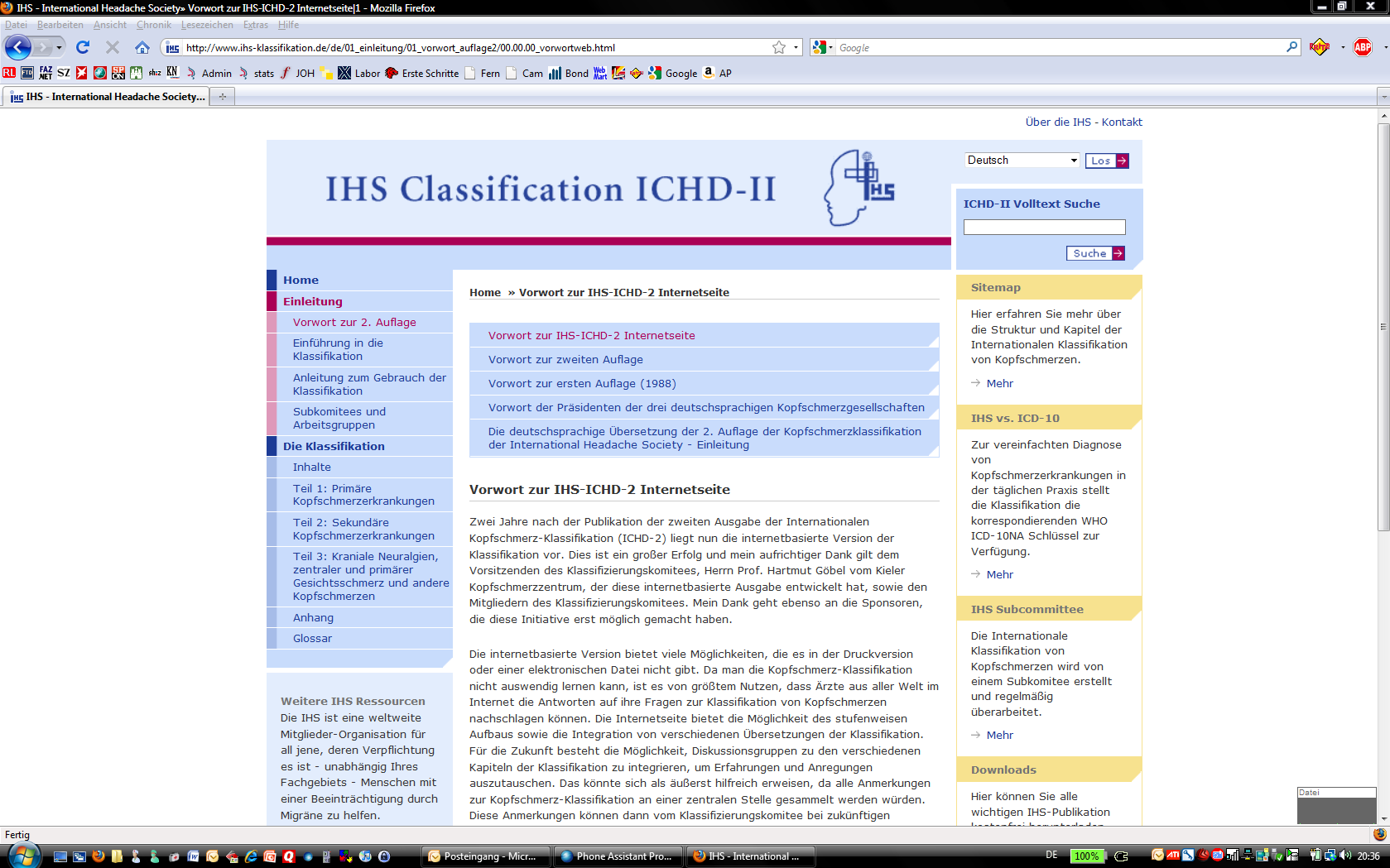
The Headache Classification Committee
the International Headache Society
International website for headache classification in the world's major languages,
Prepared by Prof. Dr. Hartmut Göbel
ICD-10 guidelines for the classification and diagnosis of headaches
Hartmut Göbel (ed.)
Headache treatment touches upon almost all areas of medicine. According to recent epidemiological studies, around 54 million people in Germany report that headaches are a recurring or persistent health problem for them. Three percent of the population has suffered from daily headaches for years or even decades. Approximately 3.7 billion doses of painkillers are taken annually in Germany, about 80% of them for headaches.
The WHO has recognized the importance of headache disorders by publishing a dedicated diagnostic manual, the German edition of which is presented here. The text describes precise and operationally defined criteria for all currently known headache disorders and provides, for the first time, the complete official diagnostic codes. Knowledge and use of this internationally standardized classification system are essential for keeping pace with international advances in the development of new treatment options.
Retail price €15.84; Springer-Verlag Berlin Heidelberg New York: ISBN 3-540-65242-6
Botulinum toxin: Mechanism of action and clinical application
Markus Naumann, Steffen Berweck, Hartmut Göbel, Harald Hefter, Florian Heinen
 The newly revised and significantly expanded second edition of this book provides a concise and up-to-date summary of the current state of knowledge regarding all important clinical applications of botulinum toxin. The focus remains firmly on the practical application of botulinum toxin. The book is aimed at practitioners already familiar with the substance, particularly those in neurology, rehabilitation medicine, pediatrics, internal medicine, dermatology, ENT, urology, and related fields, enabling them to quickly access important indications, anatomical features, and dosages of botulinum toxin in their daily practice. For the first time, a comprehensive section is dedicated to the treatment of pain disorders. The book is also intended to serve as an important guide for general practitioners, facilitating the pre-selection of potentially suitable conditions and the continued care of patients already undergoing such treatment.
UNI-MED Science, 2nd revised edition 2003, 128 pages, 76 illustrations, hardcover, ISBN 3-89599-589-4, €44.80
Pain measurement

Hartmut Göbel
From the foreword by Prof. Jean Schoenen:
To better understand the biological laws of life, it is necessary not only to identify and observe the phenomena of living things, but also to quantitatively grasp their interrelationships.
(Claude Bernard, 1856, “Introduction à l'Etude de la Medicine Experimentale”)
Pain is a pervasive and severe burden on humanity and a major problem in healthcare. It is also a complex human experience, and many of its aspects cannot be captured in animal experiments. This is particularly true for headaches, which are the most common pain problem in humans. The scientific study of pain requires quantifiable and reliable methods that can also be applied to patients. Furthermore, understanding pain mechanisms necessitates a comprehensive approach that analyzes and interrelates the various facets of the pain perception process. These two aspects have been brilliantly addressed in this work. The first strength of this book is undoubtedly the presentation of new methods for measuring human pain sensitivity. However, it seems to me that its most valuable contribution lies in the multidisciplinary approach to the study of pain. Indeed, for the first time in headache research, studies are presented that examine the interplay of cephalic and extracephalic pain sensitivity, EMG activity of pericranial muscles, exteroceptive suppression of temporalis muscle activity, psychological characteristics, and clinical data. The author has applied these methods not only to primary and symptomatic headaches but also to a novel, experimental headache model he developed. There is no doubt that other chronic pain syndromes can also be fruitfully investigated using such an approach. Last but not least, the research findings are complemented by a comprehensive literature review of pain mechanisms and methods for their analysis; these are discussed in light of the very latest concepts of headache pathogenetic mechanisms. The more than 600 references illustrate the broad encyclopedic foundation upon which the author draws his own data. For these and the aforementioned reasons, this book undoubtedly represents an obligatory reference work for all those interested in pain and headache.
After reading this work, I wondered what conditions enable a person to produce work of this quality. It seems the recipe is quite simple. It suffices to study at such renowned universities as Munich, Würzburg, Ulm, and Kiel; to have internationally acclaimed experts as mentors, such as Prof. O. Heller, Prof. RF Schmidt, Prof. R. Schüttler, Prof. D. Soyka, and Prof. W. Westphal; and to hold university degrees in both psychology and medicine. Add a healthy dose of enthusiasm, skill, and scientific perseverance, and you have the qualities and background of the author, Hartmut Göbel. It is my pleasure to sincerely congratulate Hartmut Göbel on this impressive work. I am grateful to him for demonstrating that clinical headache research can be conducted successfully when the same high standards demanded by basic research are applied.
Prof. Jean Schoenen, MD, Agrege
Research Director NFSR, Belgium
General Secretary of the International Headache Society
President of the European Headache Federation