

.
 Headaches are a major problem for Germany's young academics. Around 1.8 million of the 2.8 million students in Germany suffer from them. Almost one in three of these students is severely affected by headaches. This is the highest severity level according to the MIDAS score, which measures headache-related disability. Including those with moderate impairment, the number of students whose daily lives are significantly restricted by headaches rises to approximately 900,000. On average, those affected lose 2.4 working days at university each month as a result. For students with migraines, this figure rises to 2.7 working days. These findings come from a representative scientific survey conducted for the pilot project "KopfHoch" (Heads Up), which was presented today in Berlin.
Partnership cooperation
The pilot project aims to help students and university staff effectively and sustainably prevent headaches. ‘KopfHoch’ (Heads Up) was developed by ZIES gGmbH (Frankfurt am Main) in collaboration with Prof. Dr. Hartmut Göbel from the Kiel Pain Clinic as medical mentor and BARMER as the cooperating health insurance provider. Partner universities so far include the Technical University of Dresden, Humboldt University of Berlin, and Kiel University of Applied Sciences. “For us, the ‘KopfHoch’ project is an example of how the collaborative partnership between universities, medicine, and health insurance can address concrete health problems. The fact that around 75 percent of female students and almost 56 percent of male students suffer from headaches underscores the urgent need for action,” said Prof. Dr. Christoph Straub, CEO of BARMER.
Painkillers without medical advice
Overall, around two-thirds of students in Germany suffer from headaches: 61.8 percent from migraines, 35.2 percent from tension-type headaches, and three percent from medication-overuse headaches. However, only 25.7 percent know their headache type. "Preventing headaches begins with understanding the condition and its diverse manifestations; the 'KopfHoch' project addresses precisely this," explains Professor Hartmut Göbel from the Kiel Pain Clinic. A lack of awareness is also reflected in the unreflective use of headache medication: Of those who combat their suffering with painkillers, over 90 percent do so without a doctor's prescription.
Prevention campaign imparts knowledge
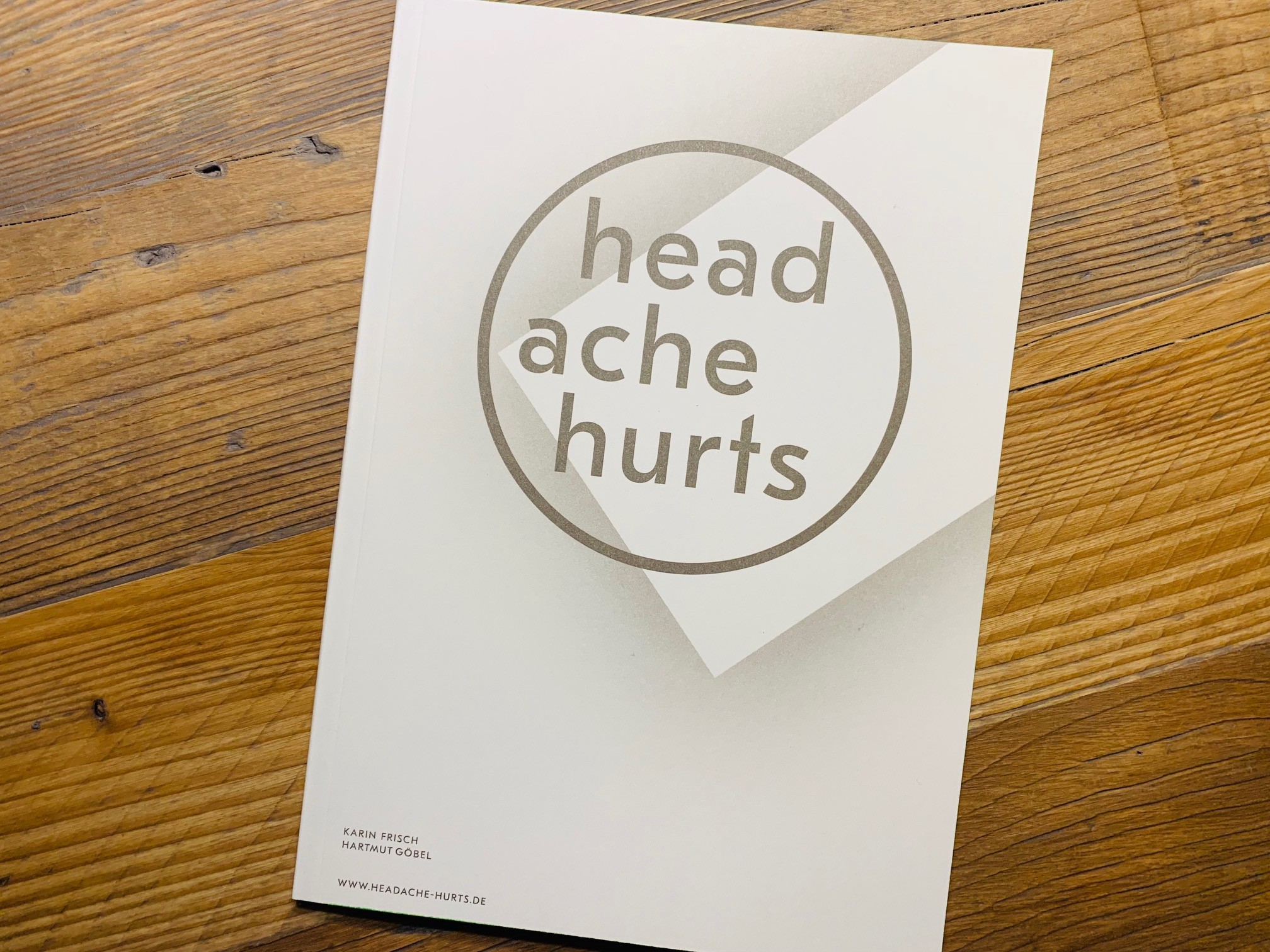
At the heart of the project is the innovative prevention campaign "Headache Hurts," designed to raise awareness among students about headaches. Following the principle of knowledge – understanding – action, the campaign conveys fundamental medical knowledge as well as the most important dos and don'ts of headache prevention. In addition to a concise information brochure, there is a website with further and more in-depth content, a six-minute film, and a medical device-certified app. The materials feature a striking, contemporary visual language intended to ensure the campaign receives widespread attention.
Close cooperation with universities
“Universities are training the leaders of tomorrow. Our pilot project offers the opportunity to firmly establish the topic of headache prevention in the minds of the younger generation and to significantly reduce headache-related absences from work during studies and later in professional life,” explains Karin Frisch of ZIES gGmbH, outlining the campaign's goal. The initiators place particular importance on close collaboration with the partner universities. In representative expert panels, a continuous exchange is maintained, and participants jointly discuss how the program can be adapted to the specific needs of each university.
In addition to the prevention program for students, there is also a program for university staff.
More information: http://www.headache-hurts.de
German Medical Journal: https://www.aerzteblatt.de/nachrichten/98903/Neues-Informationsangebot-soll-Kopfschmerzen-bei-Studierenden-vorbeugen




Leave a comment