


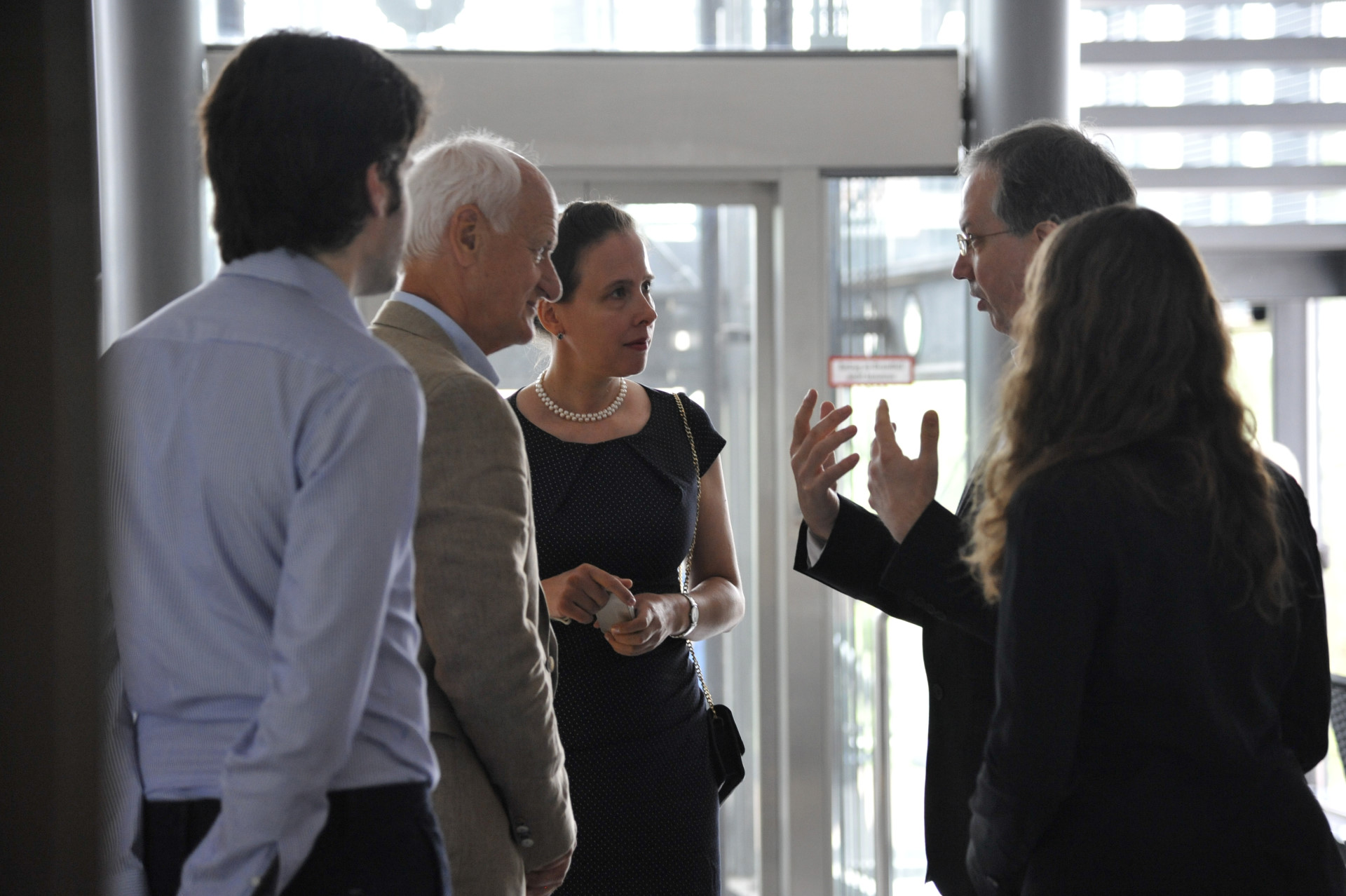
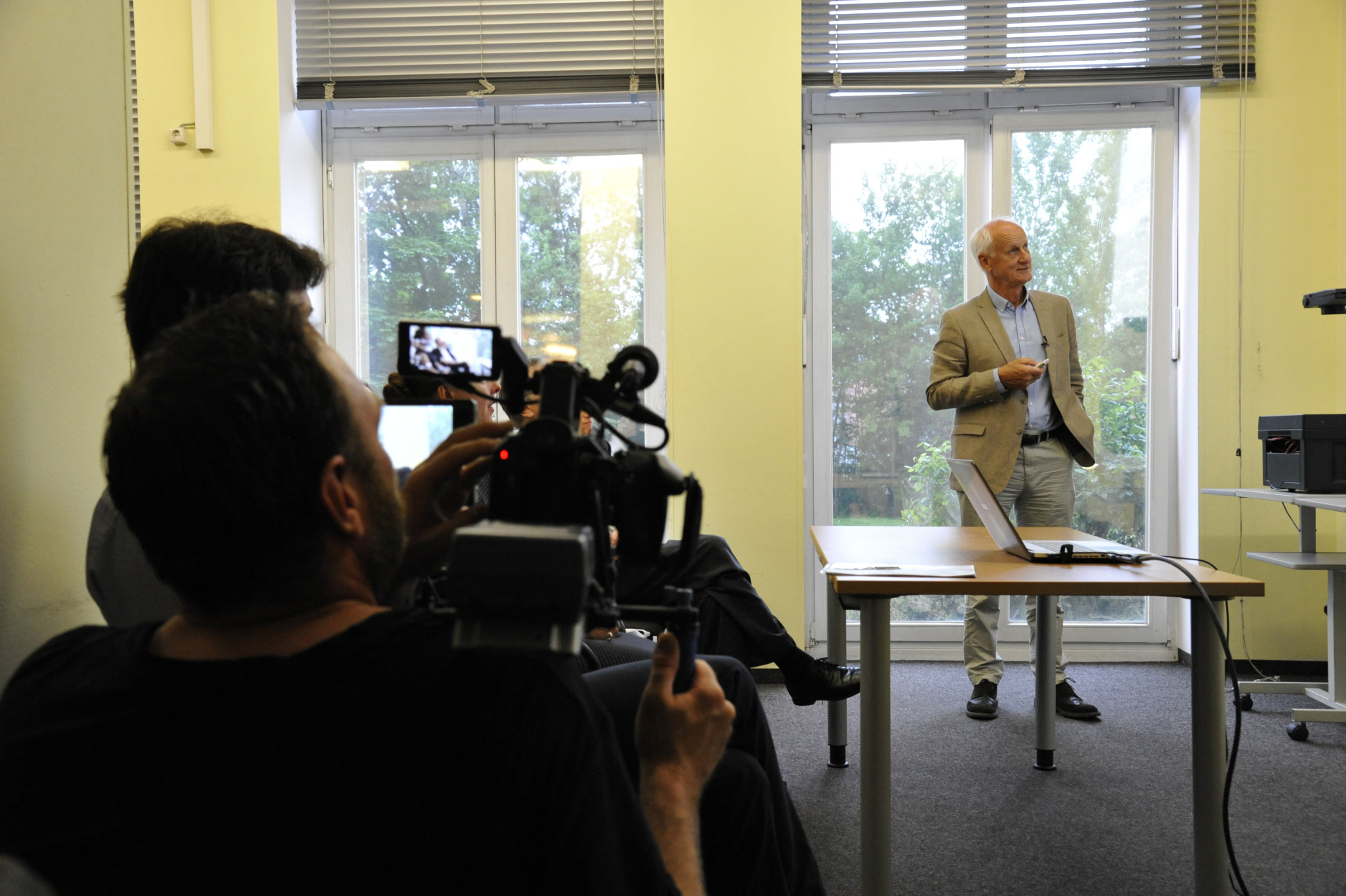
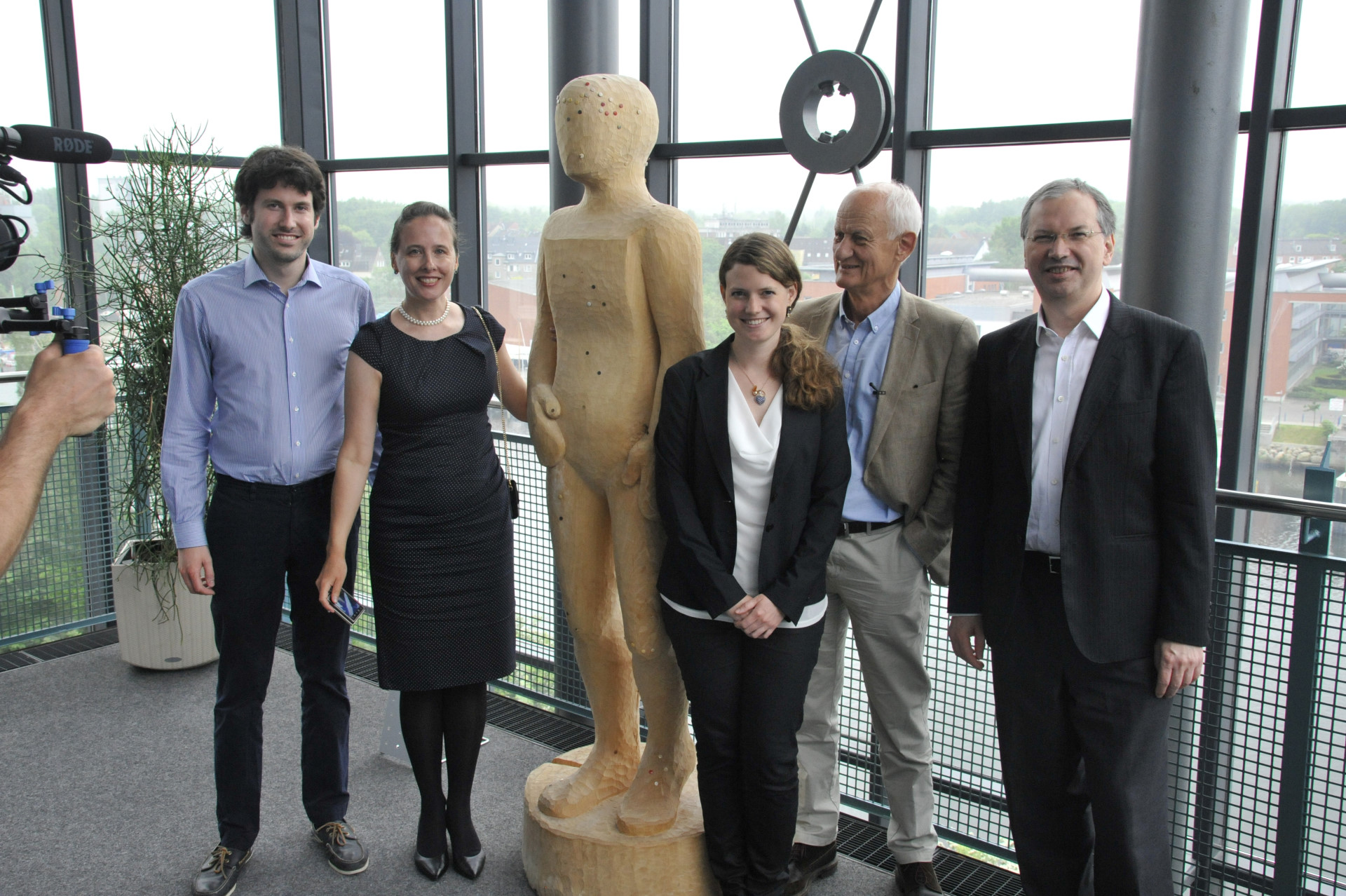
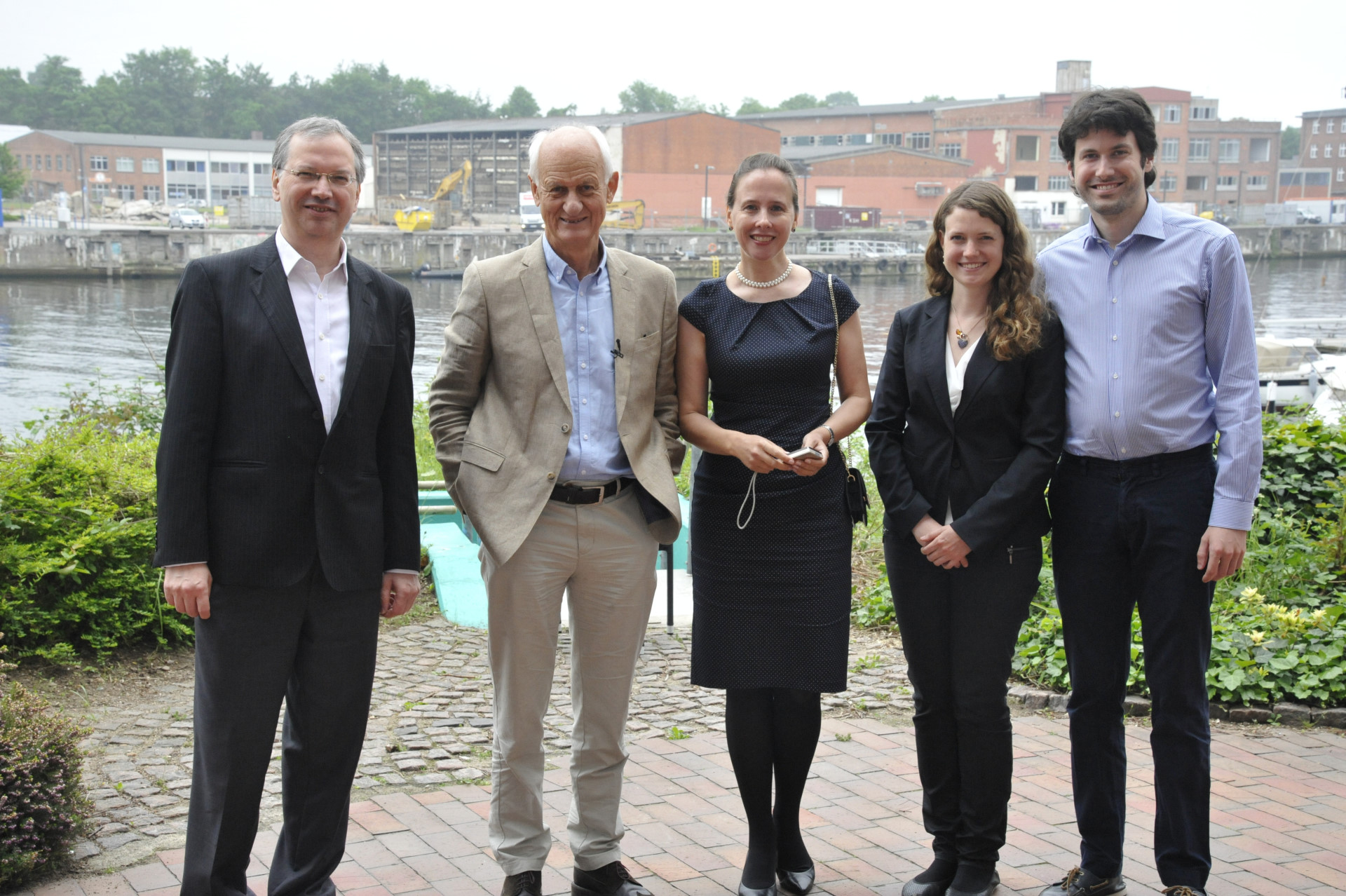
Globally, there are only a few specialized migraine and headache centers. The necessary knowledge, specialization, and experience must be built up over many years of research and clinical treatment expertise. Therefore, the mutual international comparison of standards and the further development of diagnostics and treatment were the focus of an international working meeting held on May 26-27, 2016, with Prof. Jes Olesen , founder and director of the Danish Headache Center, University of Copenhagen; Prof. Elena Lebedeva , director of the International Headache Center “Europe-Asia”, Ural State Medical University, Yekaterinburg; and Prof. Hartmut Göbel, Pain Clinic Kiel.
The Danish Headache Centre is a globally leading institution due to its academic and medical achievements, its scientific research projects and groundbreaking publications, as well as innovative training programs such as the international Master of Headache program. Through cooperation and exchange, participants mutually benefited greatly from the scientific and clinical expertise of their respective institutions. This collaboration is to be continued and intensified.
The Danish Headache Centre at the University of Copenhagen and the Migraine and Headache Centre at the Kiel Pain Clinic are based on similar treatment approaches and specialized therapy programs. Both are centers with a supraregional reach and a national and international catchment area. In Germany, the Kiel Pain Clinic has established a nationwide headache treatment network. This enables highly specialized care through network partners in all federal states. Scientific studies demonstrate very high and sustained efficacy. This is particularly true for severely affected patients with therapy-resistant headaches. Complications of chronic headache disorders can be prevented. Affected individuals can participate in life again. Pain is reduced. Treatment costs are lowered.
The visit sparked new ideas and visions for the further development of treatment concepts. Precise diagnostic criteria lead to a clear classification and diagnosis of the 367 known types of headaches. More than 30 different subtypes of migraine alone are now distinguished. All of this directly benefits patients. Significant progress has been made in the treatment of migraines and headaches in recent years. Headaches can now be diagnosed more precisely and treated more effectively than almost any other disorder of the nervous system. This requires specialists and dedicated treatment centers. Headache centers, operating at an international level, can provide this specialized and state-of-the-art care. What was unthinkable 20 years ago is now a reality thanks to the dedication of specialized centers. During the meeting, participants worked on visions for the next generation. The goal is to alleviate migraines and headaches even more effectively and sustainably through specialized, excellent therapy.














Leave a comment