




Note: The Apple Watch has a pressure-sensitive screen. After launching, the app initially displays the current overview. To access quick input, press the screen more firmly and hold your finger down. The quick input screen will then open.
Hamburg/Kiel, January 17, 2017. Counting steps, checking messages, managing appointments – digital timepieces can do much more than just display the time and date. Now, the first health applications are reaching the wrist: The Apple Watch is now the first smartwatch to support the self-management of chronic headaches. This is made possible by the therapy-supporting migraine app, developed at the Kiel Pain Clinic under the direction of Prof. Dr. Hartmut Göbel and made available nationwide in cooperation with the Techniker Krankenkasse (TK) health insurance company. The migraine app allows users to document pain patterns and medication intake, explore headache types, and identify potential intervention points within the therapy. Since its launch in December 2016, more than 10,000 people have already used this freely available and free application, initially on iOS. It will also be available for Android starting this spring. It is specifically tailored to the needs of migraine and headache patients and not only records the course of their condition based on scientific principles through active data input, but also analyzes this data, informs the user, and reacts appropriately to alarming signals. The app also provides information on proactive behavioral measures and shows how the desired health goal can be achieved under medical supervision. It was developed collaboratively by specialized scientists, healthcare professionals, and patients based on decades of experience.

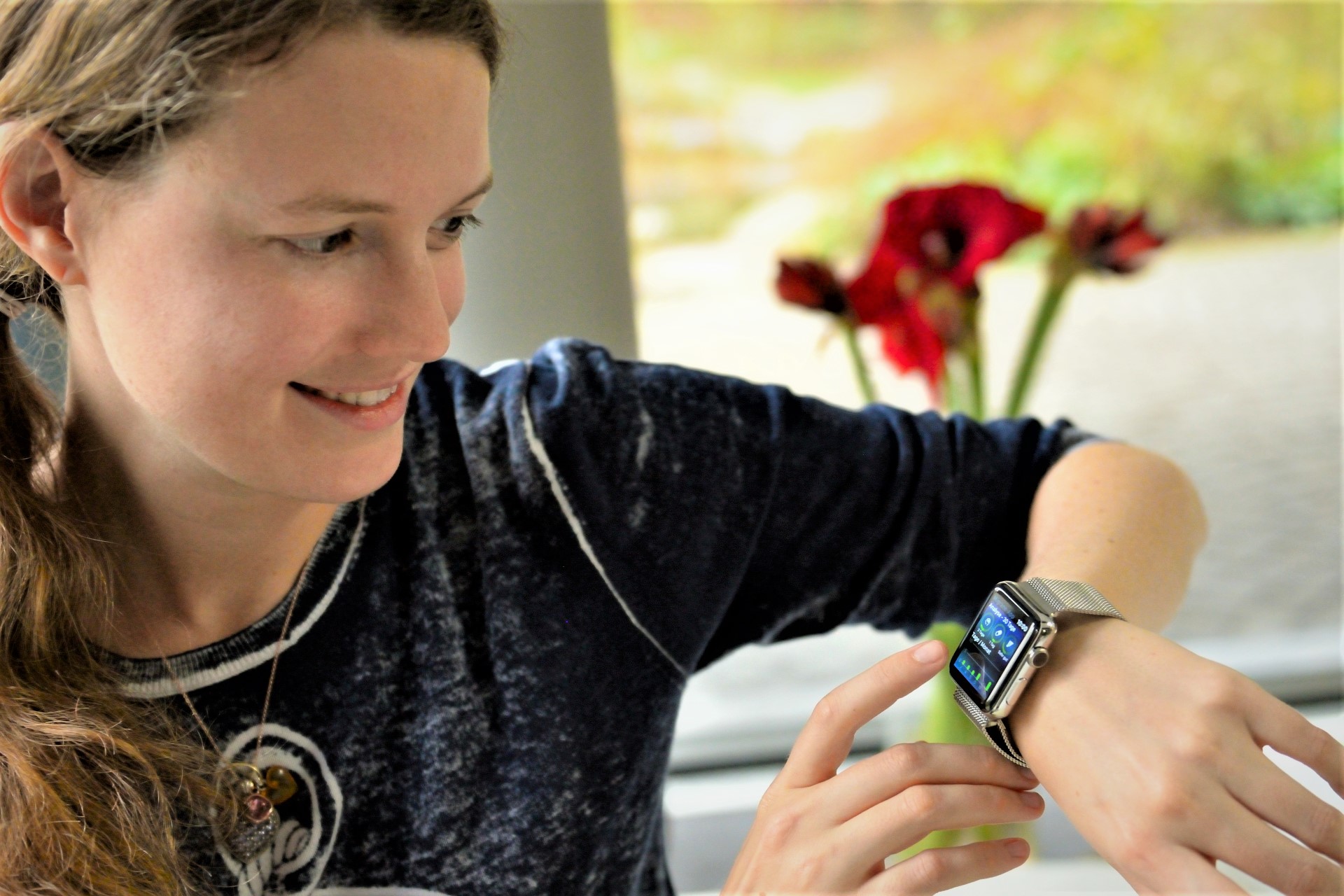

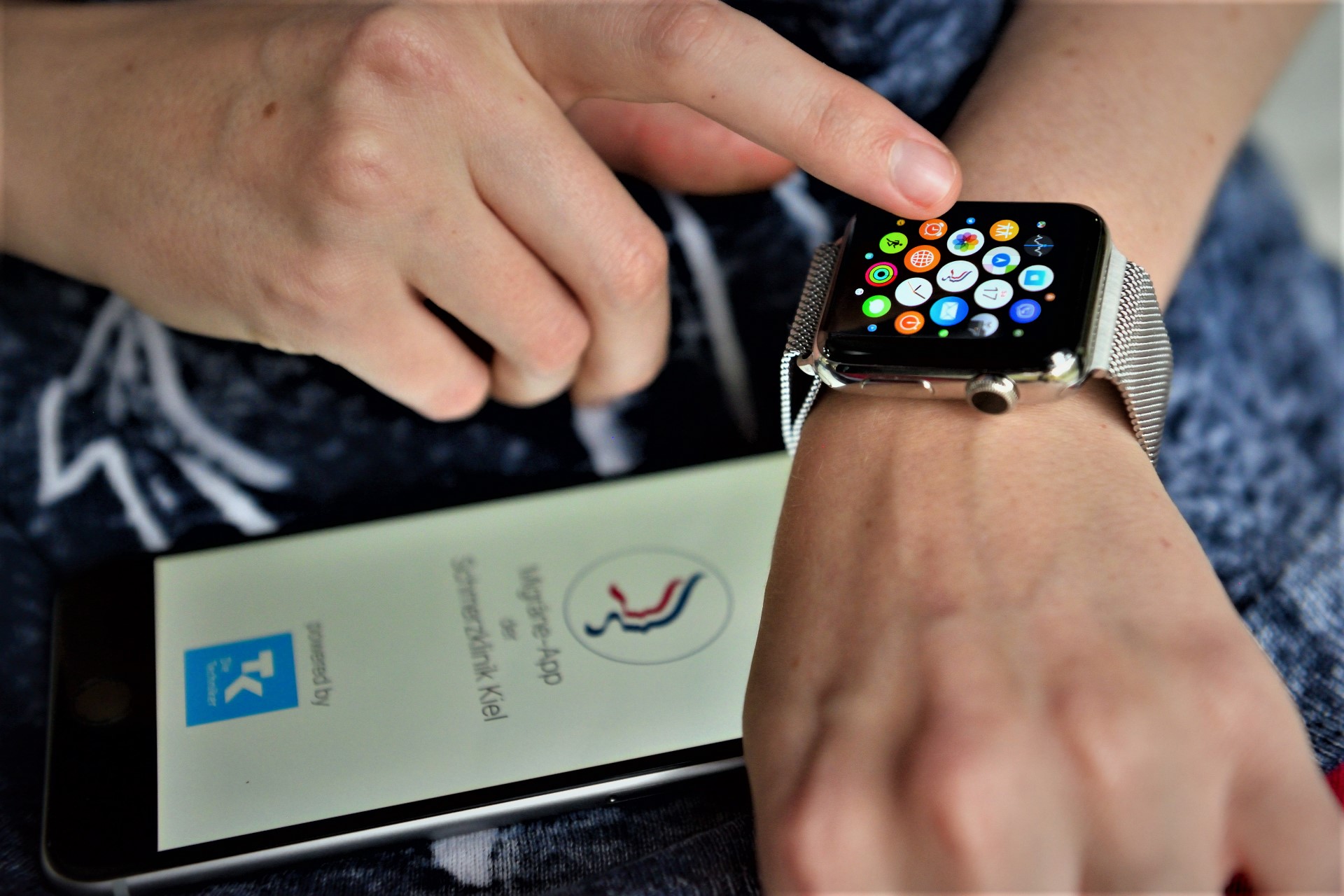
With a finger tip for self -management
On the smartwatch, the headache features can now be recorded with a tap on the wrist without having to grab a smartphone. The course of the treatment is analyzed individually. Because the migraine app- unique in the world- provides the migraine and headache patients an immediate course and success analysis of the medical guided treatment with connection to the Apple Watch.
.
Digital self -management
The trailer
And this is how the app works
The migraine app offers a variety of features to help reduce the frequency or even prevent future headaches.
The app includes progressive muscle relaxation, a technique that can be used and practiced at any time. The app reminds users to apply the technique, tracks their progress, and rewards their efforts. Trigger factors, such as local weather data, are automatically added to the app's history to allow for individualized analysis of patterns.
A personalized chronification test helps analyze factors that cause or worsen headaches. The migraine app also calculates the optimal time for treating headache attacks and supports the treating physician throughout the course of therapy. The included TK headache coaching provides comprehensive information on headache causes and treatment. Other features include a nationwide expert search, a media library with numerous informational videos, direct access to the current international headache classification, live chats with experts, and the nationwide digital self-help community Headbook. A version optimized for children is also included.
background

Minister Reinhard Meyer, Ministry of Economic Affairs, Labor and Transport of the State of Schleswig-Holstein, Dr. Johann Brunkhorst, head of the TK state representation in Schleswig-Holstein and Prof. Dr. Hartmut Göbel, director of the Kiel Pain Clinic, will discuss the possibilities of the digital future and networking for the benefit of patients using the example of the migraine app incorporating the Apple Watch at the “Networked Health” congress in Kiel, January 18, 2017.
Migraines and other forms of headache are epidemiologically among the most common and, after dementia and stroke, among the third most expensive diseases of the nervous system. They are one of the most common reasons for doctor visits and inpatient emergency admissions and cause serious disabilities and complications. Worldwide, more than 46 percent of the adult population suffers from an active headache disorder, eleven percent from migraines, 42 percent from tension-type headaches and three percent from daily persistent headaches. Headaches take third place on the World Health Organization's (WHO) list of the most disabling diseases. Around a million people in Germany alone suffer from migraine attacks every day. Of these, 100,000 are bedridden every day. Epidemiological studies in recent years have confirmed that migraine is associated with an increased risk of stroke, heart attack and other diseases of the cardiovascular system. In Germany, an average of 8.3 million people take headache medication every day for severe headaches. But treating headaches with medication also has a downside: Anyone who takes pain medication for more than ten days every month runs the risk of developing a headache from the medication itself. For this reason, pain doctors rely on self-management and patient responsibility for chronic headache disorders such as migraines. The migraine app from the Kiel Pain Clinic offers a suitable tool for this purpose, in which only the patient decides with whom they share their data and experiences alongside the treating doctor. The TK has no access to the data.
Note for the editorial offices:
Further information on the digital offers of the TK is available at www.tk.de , Webcode 723220. Information about the app of the Pain Clinic Kiel is available at https://schmerzklinik.de/2016/10/01/die-migraene-app/ . The migraine app with all content can downloaded free of charge from the Apple store . An Android version is in preparation and will also be available as a full version with all content in the first quarter of 2017.
Press contact for the Kiel Pain Clinic:
Prof. Dr. Hartmut Göbel
hg@ pain clinic.de
Telephone: 0431-20099150




Hello Erika, I can only warmly recommend the app.
The explanation from Prof. Dr. H. Göbel is an excellent help. A stay at the Kiel Clinic is the best thing you can do for yourself if you have the relevant clinical picture.
Olaf Bbiewald, stable time beeper
I suffer from migraines and am very interested in new findings. I am considering using the app. If it doesn't get better, I'm thinking about going to the hospital.